
Patterns occur pretty naturally, it’s the way repeatable, reproducible things work, perhaps.
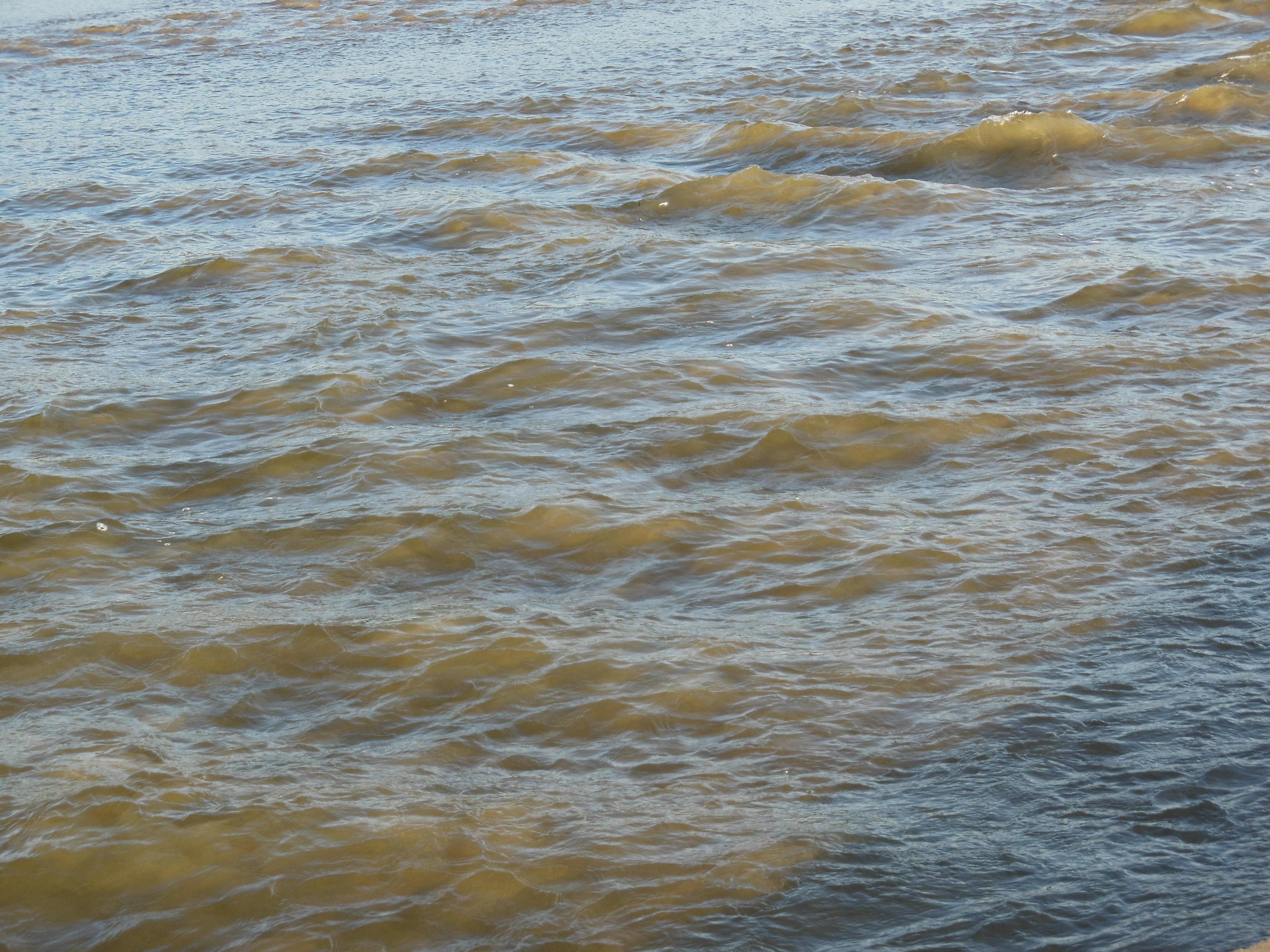
The pattern of ripples in water.
I don’t know the math and science of patterns with the sort of detail that would be appropriate for a mathematician or scientist. I see patterns.
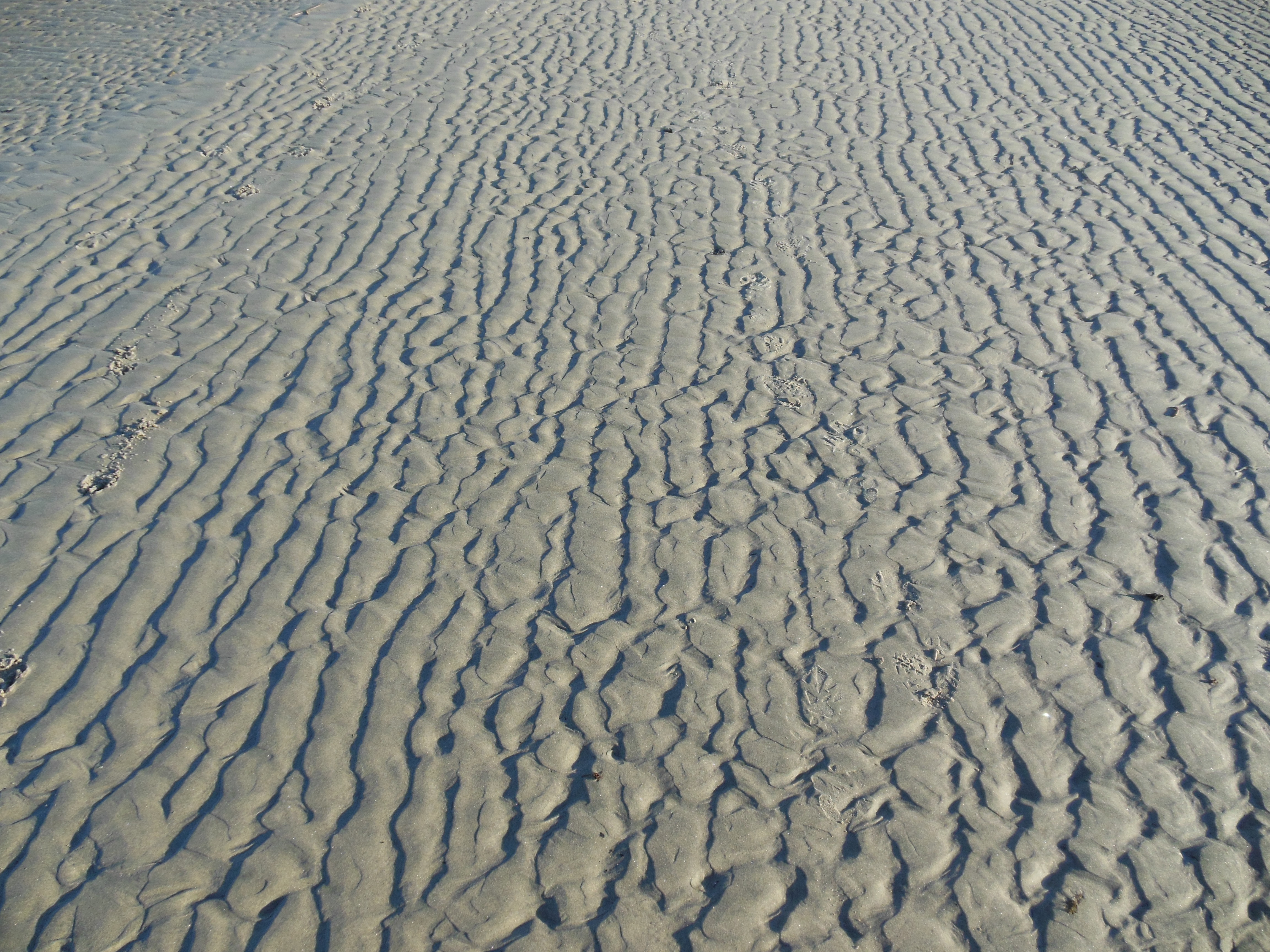
Patterns on a sandy beach.
I see where patterns are broken.

Sometimes it’s obvious.
I’m a pattern analyst by trade, if I narrow down ‘data analysis’ to something more specific, although the sort of thing that I did in the 1980s manually with my brain and eyes is generally done by machines and programming today.
Patterns, and our innate human relationship with patterns and pattern recognition sometimes goes awry; we see patterns that aren’t actually patterns, by connecting unrelated events or experiences. Apophenia is a fancy word for seeing patterns in unrelated things. It’s a very human tendency.
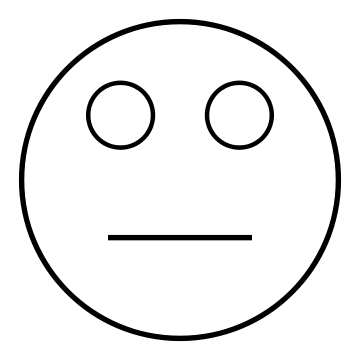
Just in case you’re sure you only see patterns that are ‘real’… Are you seeing a face in this arrangement of circles and lines? Cuz… this image is not a face, just some circles and lines. 🙂
Sometimes patterns are obvious, with obvious causes. Sometimes patterns are quite subtle. Created patterns and naturally occurring patterns both fascinate me.
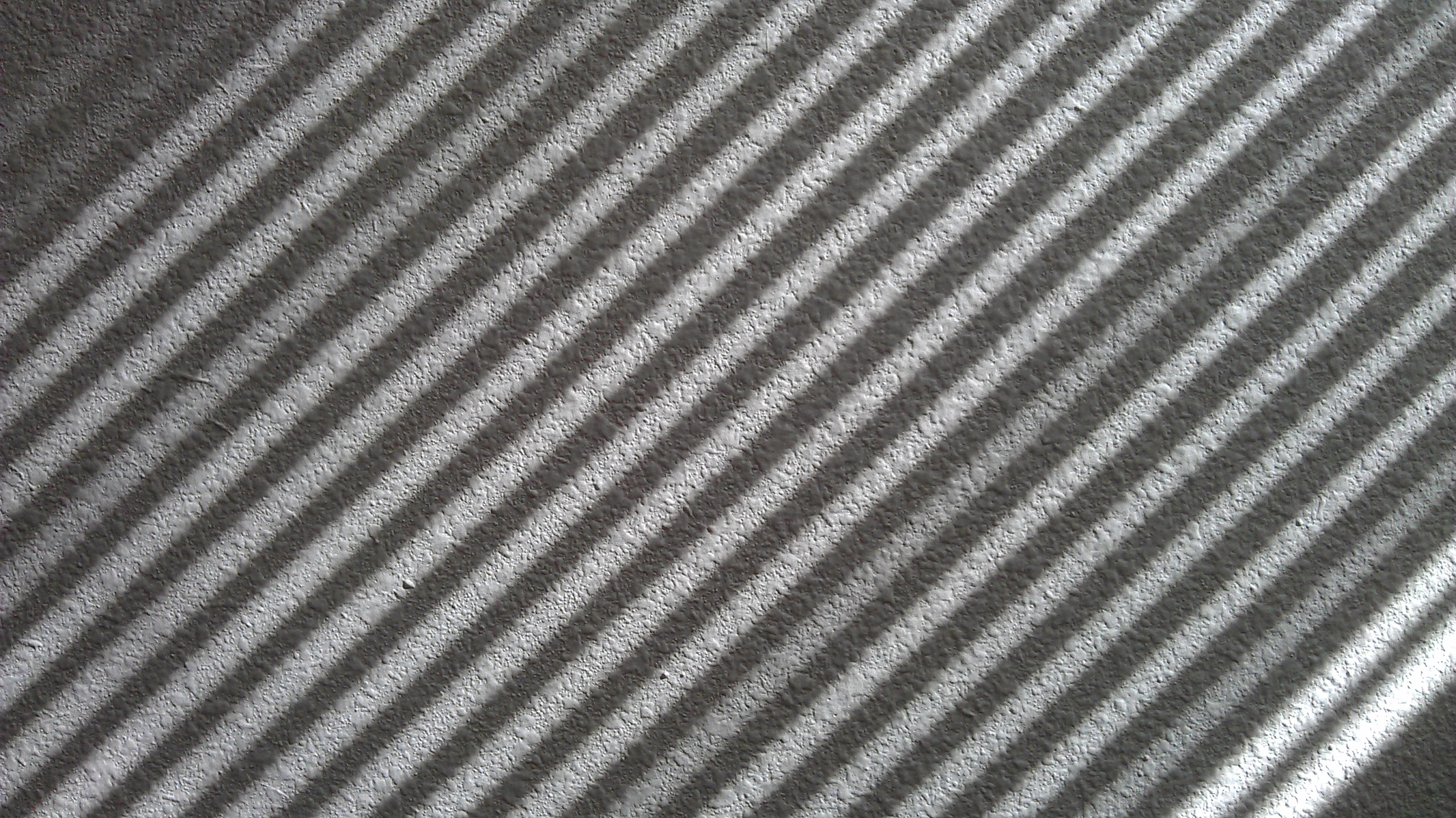
Sunlight through blinds – natural? Created?
It isn’t always easy to be utterly certain that a pattern is a pattern with patterns that are not visual, auditory, tactile, tabular, charted, or graphed – at least for me. Emotional and behavioral patterns are much more difficult to be certain of, because the involvement of the observer in the observation is likely to be much higher, and the quality of the data, itself, much poorer. The time I have spent studying patterns in my own emotional life (for example relative to the ebb and flow of hormones) has been worthwhile for my growth as a human being, but it is a slow process of observation, and error correction. Each observation checked and checked again for verifiable accuracy, examined from multiple alternate perspectives, or against other theories, and any easy or obvious seeming answer questioned to limit and hopefully avoid both bias and losing perspective or compassion for myself. It’s a complicated endeavor. Before I began practicing mindfulness, it was a hopelessly fast route to frustrated rumination that really didn’t go anywhere. Now, I’m rather pleased that it seems to fast-track improved long-term emotionally relevant decision-making about my life and behavior that has improved my everyday experience a lot.
There’s that ‘decision-making’ piece, though… Choice is a big part of living well. A lot of people actually choose to live less well than they could; choosing frustration over contentment, choosing wanting over enjoying, choosing righteous indignation over understanding, choosing to be stalled in their life and experience over choosing change. It’s very hard to watch.
Today is a good day to choose well. Today is a good day to be the change I wish to see in my world, and in my life. Today is a good day to choose love, and to choose pleasure. Today is a good day to invest enthusiastically in having a good experience. Today is a good day to change the world.

 Evening Light