Archives for category: Words

My coffee this morning is less appealing than most mornings. I slept poorly, when I slept last night, at all. I woke feeling groggy and stiff, and reaching for the alarm in slow motion. It seemed to beep an infernally long time. I started to fuss at myself about each detail that felt irksome, or disappointing, a choice that holds the potential to derail both the morning and the day, given an opportunity to do so.

I considered basic needs, instead, and the difference between wants and needs – real needs, basic needs. Is a bad cup of coffee actually such a big deal? Is having a really first-rate cup of coffee in the morning a ‘need’? I do enjoy it. It’s a high priority in the morning to have coffee, both for the ritual and routine of it, and for the pleasantness of the warmth of the cup in my hand. Does having that moment rise to the level of a ‘basic need’? Hardly. Does it, however, ‘meet needs’? Sure. Does my rather average, almost actually bad cup of coffee this morning meet my needs? It does.

If the need being gratified by my cup of coffee in the morning can be so easily gratified even by a bad cup of coffee, and if having a cup of coffee is not, itself, a ‘need’…what is the underlying need met by my cup of coffee in the morning?
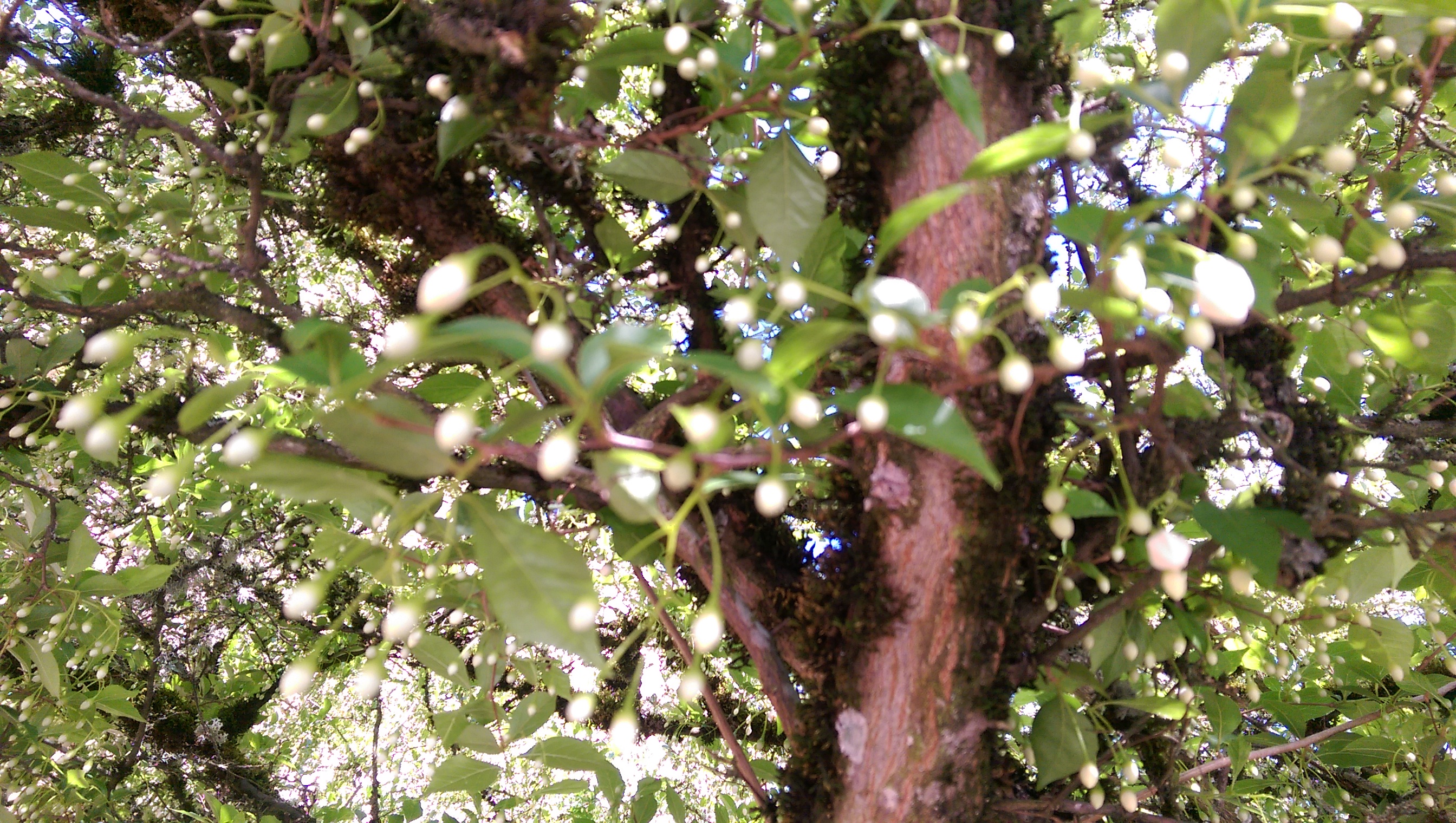
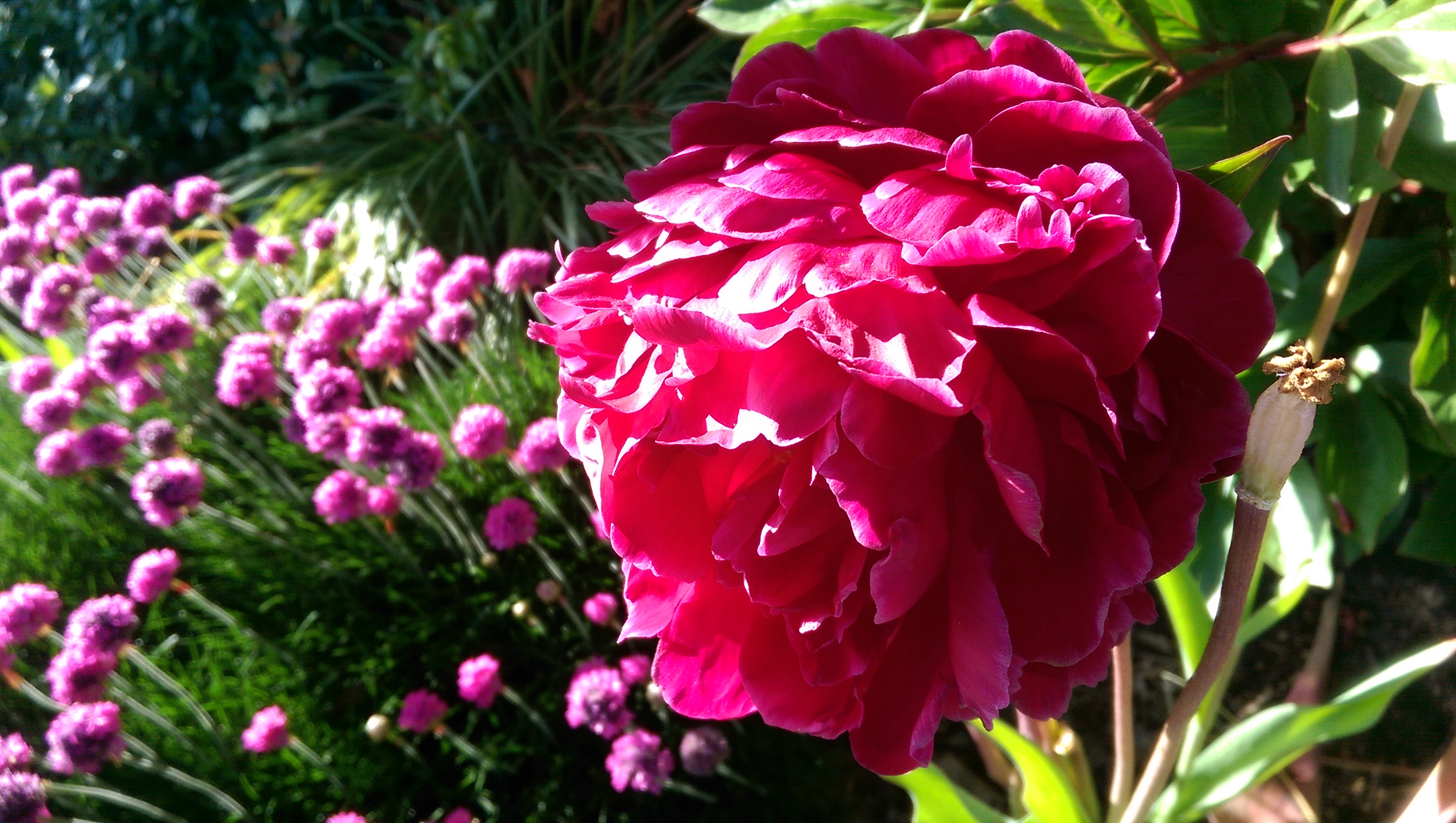
The flowers may be lovely, but life's needs must be met before they blossom.

The flowers may be lovely, but life’s needs must be met before they blossom.

What is a ‘basic need’? Without checking references at all, I define ‘basic need’ myself as those needs that, left unmet, result in poor emotional or physical health, perhaps worsening until death may be an outcome. I mean…that’s the definition I tend to force myself to accept in difficult times, when a lot of other needs are unmet; it helps me get by until better times to tell myself I ‘have everything I really need to survive’. Is this extremely short list (food, water, sleep) really all there is to ‘basic needs’? I don’t really think so, myself, because those survival basics don’t do more than offer the most basic opportunity to wake up again to try another day. If I want to thrive, rather than simply survive, my list of ‘basic needs’ expands a bit to include things like shelter, appropriate clothing, sex, acknowledgment and internet connectivity (hey, it’s my list! lol). It gets complicated [for me] to understand, for example, that while I genuinely do see sex as a ‘basic need’ as an adult…my need doesn’t impose a demand on anyone else. That may be true of all needs, actually. My own individual needs do not constitute a demand or obligation on any one other human being, unless we share a specific contract – like the one human beings share with each other in marriage, or that we share as a society with our government. An interesting thought on a Friday that quickly takes me to the question ‘What do I feel obligated to do for my fellow human beings to ensure their basic needs are met, and what more can I do to build a world where we all see mere survival as an unacceptable minimum standard of life for humanity?”

Subjectively, I need this cup of coffee in the morning… It’s clearly not a ‘basic need’ in any sense. (I’m no expert, these are simply my own musings about needs, and your results – and opinion – may vary.) I go to great lengths to ensure I have it, however, and the feeling of having it satisfies in the way feeling a basic need met also satisfies. What’s up with that? I’m back to ‘what is the underlying need being met?’
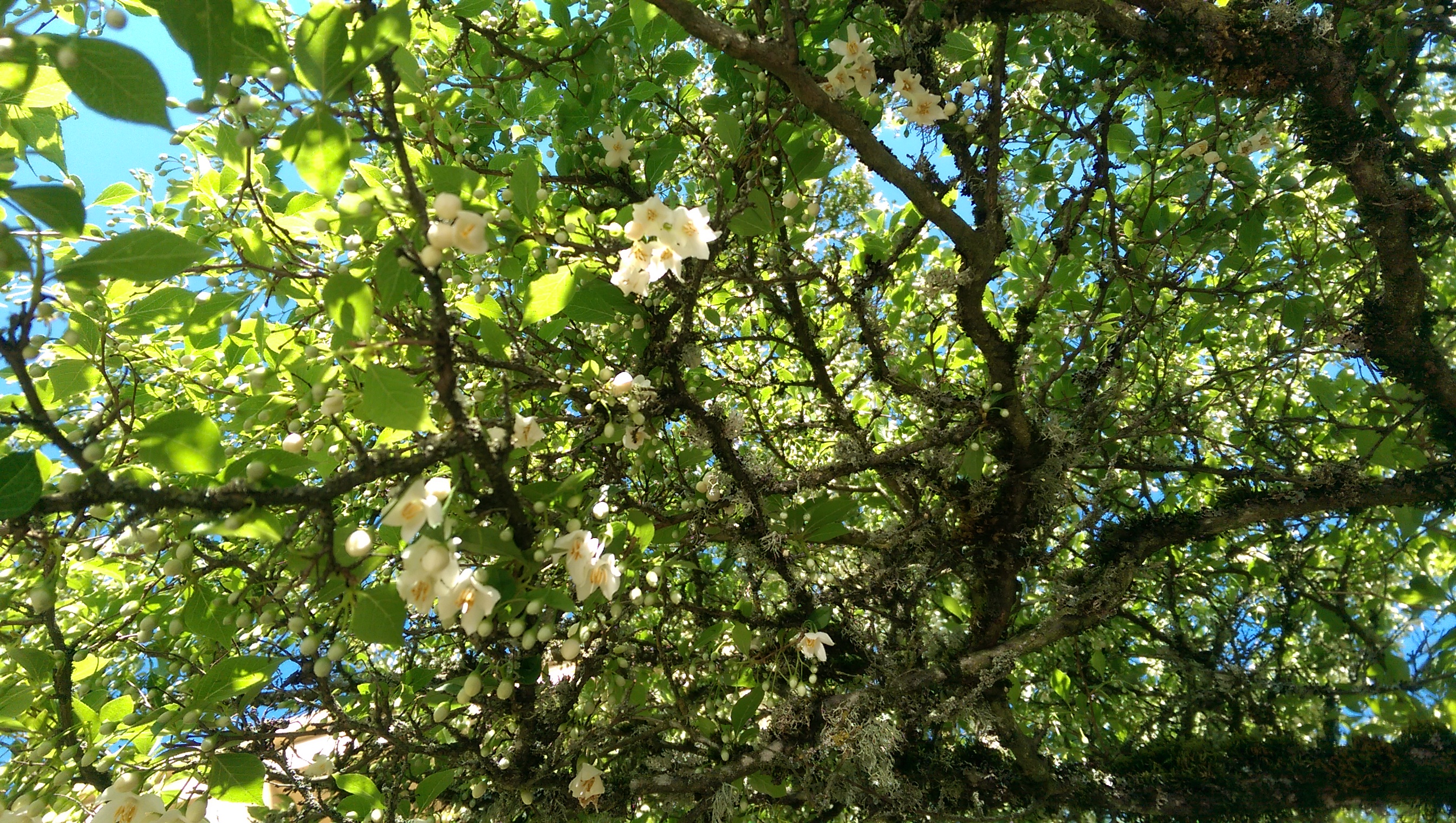
We are connected, related, interdependent, and reliant upon each other for survival. How do I balance my needs, and wants, versus those of the world?

We are connected, related, interdependent, and reliant upon each other for survival. How do I balance my needs, and wants, versus those of the world?

Do you know what you really need in life? Are the most ‘important’ needs in life truly the basic survival needs? Once we’ve got survival going on…what then? What do I really need as a human primate, a creature of both emotion and reason, to thrive – to be the best of who I am, to become the woman I most want to be, to enjoy the many facets of living in a way that really satisfies?

What do I need to thrive?

What do I need to thrive?

Today is a good day for questions. Life’s curriculum doesn’t take a day off – and the quiz is always an ‘open book test’. Today is a good day to ask ‘what do I need from my life’? Today is a good day to find joy in whatever answers – or experiences – there may be.
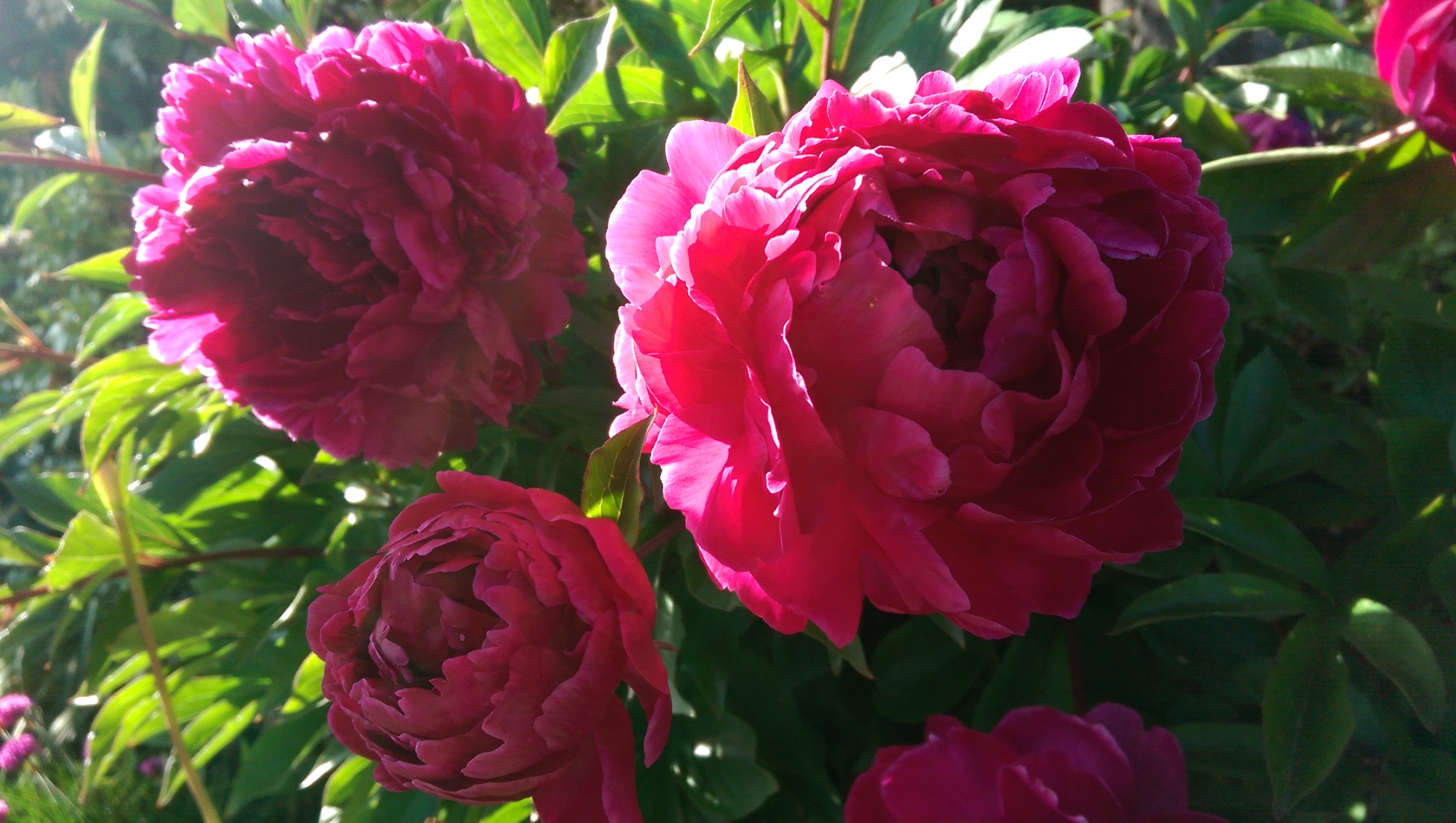
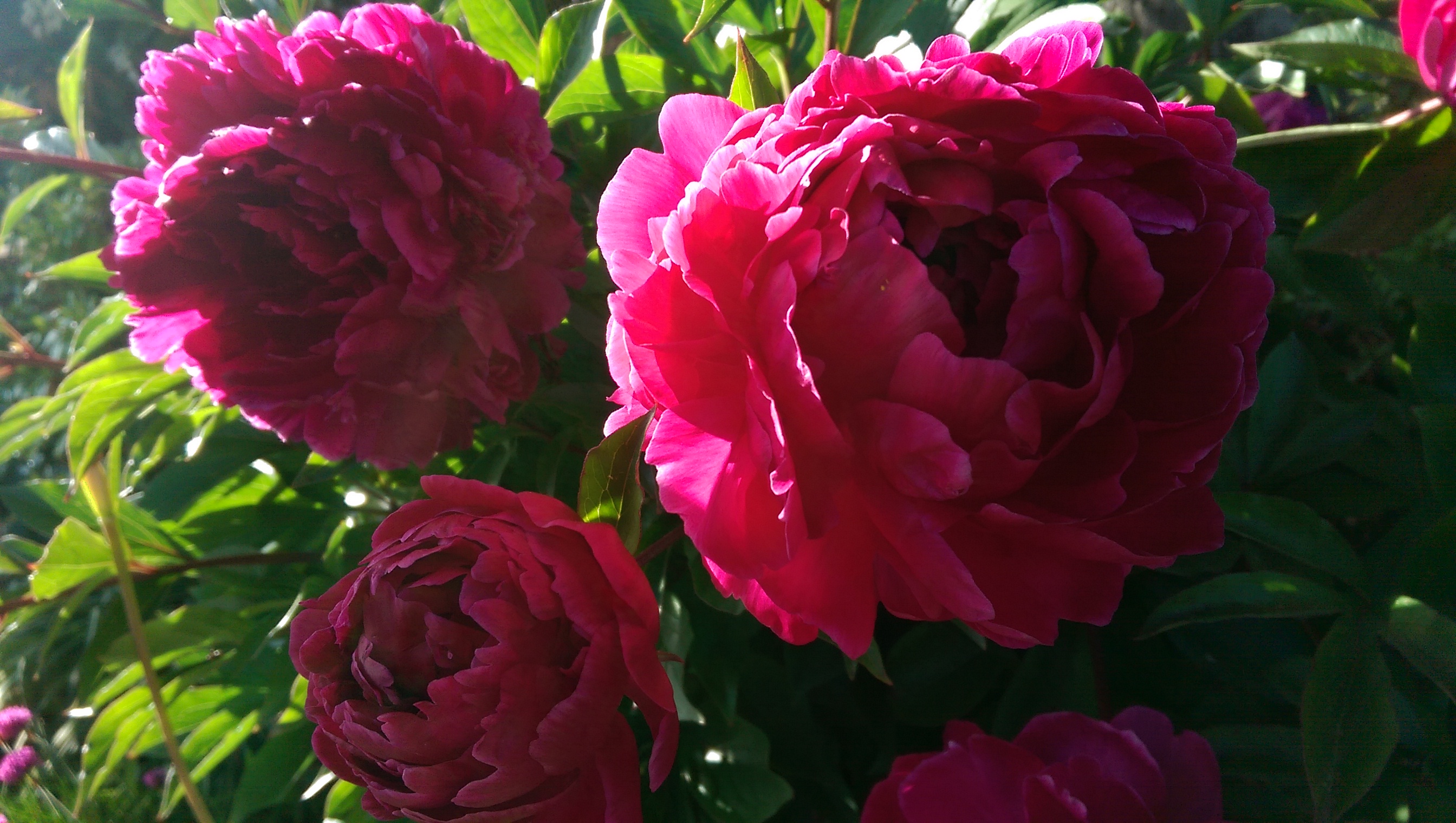
I woke gently to a lovely morning. It seems…unflawed. Being human, I enjoy the moment aware that even lovely moments pass. Savoring the pleasant ones is lovely…but sometimes leaves me wondering what to write about. I have a handy list of things I thought about writing at some other time, but didn’t…I check the list and the very first thing reads simply ‘spelling mistakes’.

Flowers. Sunshine. Light.

Flowers. Sunshine. Light.

I will admit I read my own writing. I don’t know whether that’s an odd thing. I review new writing for spelling mistakes, grammar, syntax, incomprehensible weirdness, an overabundance of commas, a surplus of poetry resulting in a shortage of coherence; these are basic editing steps and sure, I do them. I also read my own writing. I find it is an excellent reminder of how far I have come, how far there is yet to go, and also serves to bring me back to understandings and knowledge I’ve already got, that I may lose sight of now and then. Poetically speaking, sometimes my writing serves to communicate with me – getting ideas across to me, past my injury – like passing notes to myself.

I rarely catch all the spelling mistakes. (Let’s leave my grammar and punctuation out of this. There’s only so much the features in WordPress can do to fight me off!)

Obvious spelling mistakes are pretty easy, and of course the spell-checker handles most of them, but I routinely miss at least one that I catch later, when I am reading my own writing. Sometimes a lot later. Years. It messes with my head to catch a spelling error in an older blog post, months or years later, if I am reading on the train, or under circumstances when I would not be able to immediately fix it; I am not likely to remember quite where or what it was, just that it exists. Most of the spelling mistakes I don’t catch fall into one basic category: real words that don’t fit. ‘Form’ instead of ‘from’, for example, or ‘that’ instead of ‘than’, and of course these are mistakes a spell-checker doesn’t generally pick up – and they change the meaning of the sentence! My least favorite outcome of a spelling error is being misunderstood. I can so easily get past the part where you may think I’m an idiot, or just dreadful at writing things down. Being misunderstood feels frustrating, unsatisfying, and alienating, sometimes shameful, as though the entire burden of successful communication rests on me. (If I am writing, it sort of does…doesn’t it?)

(My brain throws a humorous, encouraging scene into my imagination to lighten the moment, my own voice as an authority figure, calm and firm, an airport baggage claim carousel nearby, “Ma’am, please set the baggage down and back away quietly, and no one will get hurt…”. I smile, and let perspective win.)

Beauty

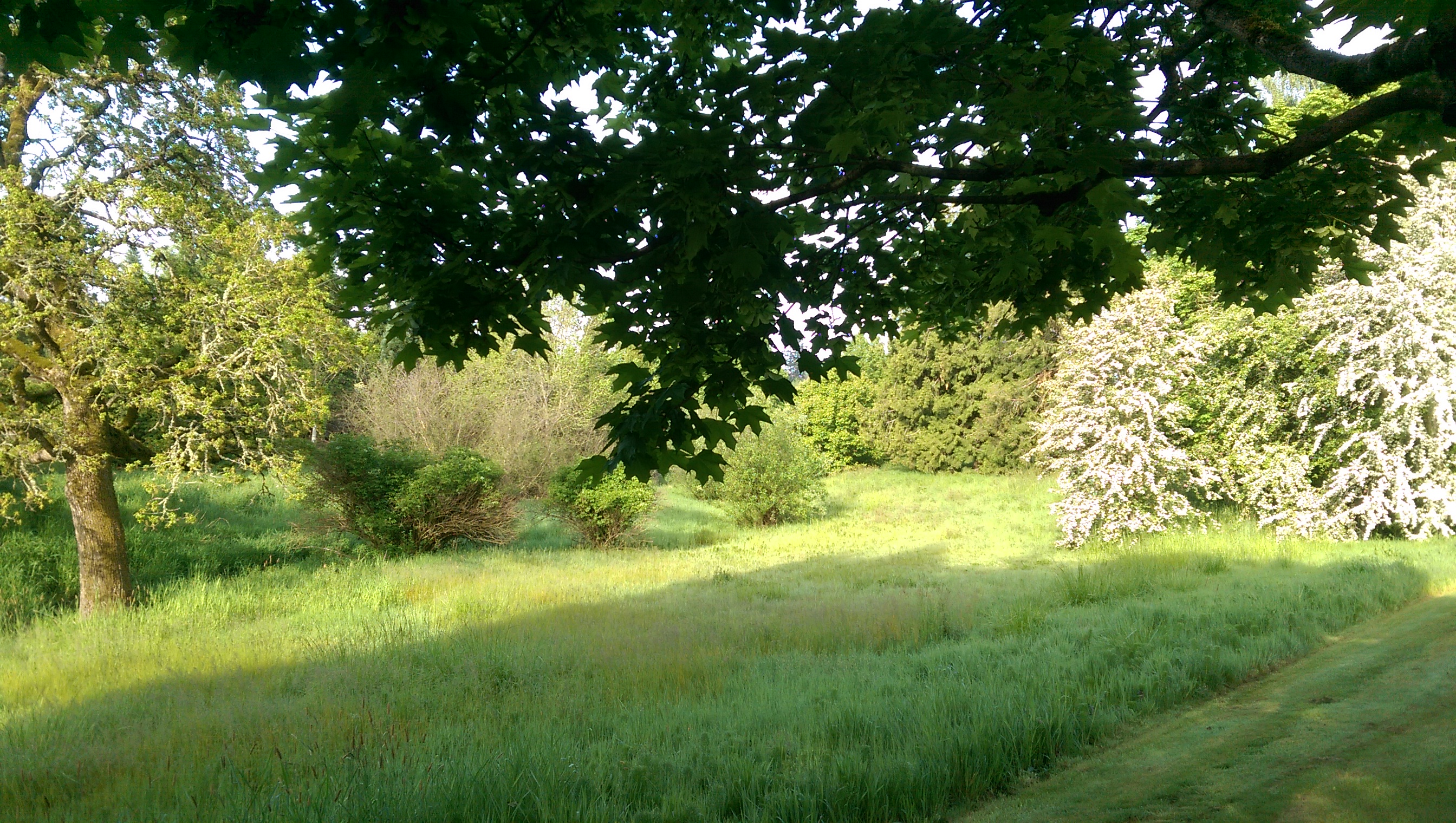
Another perspective. Sunlight and flowers.

I guess what I’m on about is that practicing good practices – whatever they are – does not lead to ‘perfection’. It leads a lot of wonderful places, depending on what I am practicing, of course, but ‘perfect’ isn’t actually one of them. ‘Proficient’ seems achievable, perhaps even ‘masterful’, ‘skillful’, ‘growth’, or ‘change’ – there are a lot of different outcomes to practice that are powerful or positive (again, depending on what I am practicing; not all practices are created equal). Perfection is not even on the menu, unless I redefine ‘perfection’ to be something achievable in the first place – and such a definition of perfection would have to leave room for the occasional mistake.

I make spelling mistakes. More often because I type very fast, than because I don’t know the correct spelling of the word I wish to use, some of them are a result of damage…but however carefully I write, I manage to make the occasional spelling mistake. My mistakes sometimes frustrate me, but they also tie me to this very human experience in a very human way. I’m okay with that. I still like to be understood, and to present my writing with great care and consideration; it is ‘speaking for me’. I know that when I read an old post, a missed spelling mistake can be very jarring, halting the flow of my thoughts, like a scratch on a beautiful wood finish. What about you? Do they mess with your reading enjoyment? If they do, let’s use the opportunity to connect; reply with a comment to the post, and tell me what the spelling error is. I’ll fix it and say thank you. 🙂 We are each having our own experience – but we are also all in this together.

I make mistakes. We all do. This morning is a lovely morning, and so much so that contemplating life’s small missteps and making time for perspective about the small things that can go wrong feels safe and comfortable, not the least bit worrisome or stressful. Mistakes are pretty human. Letting them stress me out is pretty human, but not very useful. Finding perspective on the every day stresses in life – like the spelling mistakes in a blog post – is a simple practice that I find builds emotional resilience over time.

Today is a good day for perspective.

Today is a good day for perspective.

Today is a good day to practice good practices. Today is a good day to be so very human, with all the wonders and delights that are just beyond the suffering, when I practice good practices and make good choices to support my needs over time. Today is a good day to take next steps, to try new things, and enjoy moments. Today is a good day to enjoy the world.

Another lovely quiet morning follows a lovely quiet evening. I have feelings that fit figures of speech such as ‘I’m really on to something!’ or ‘I found it!’. I am aware that these feelings, like any feelings, are feelings – lacking substance or reality independent of my experience. I enjoy them without becoming invested in them, or building expectations that this sensation of comfort, contentment, and some not yet clearly defined feeling are permanent or lasting. No emotions are permanent or particularly lasting. Emotions come and go.  Our inner world is very fluid, very malleable, very changeable. Change is. For now, though, these are the feelings I am experiencing, and it is a pleasant quiet morning.

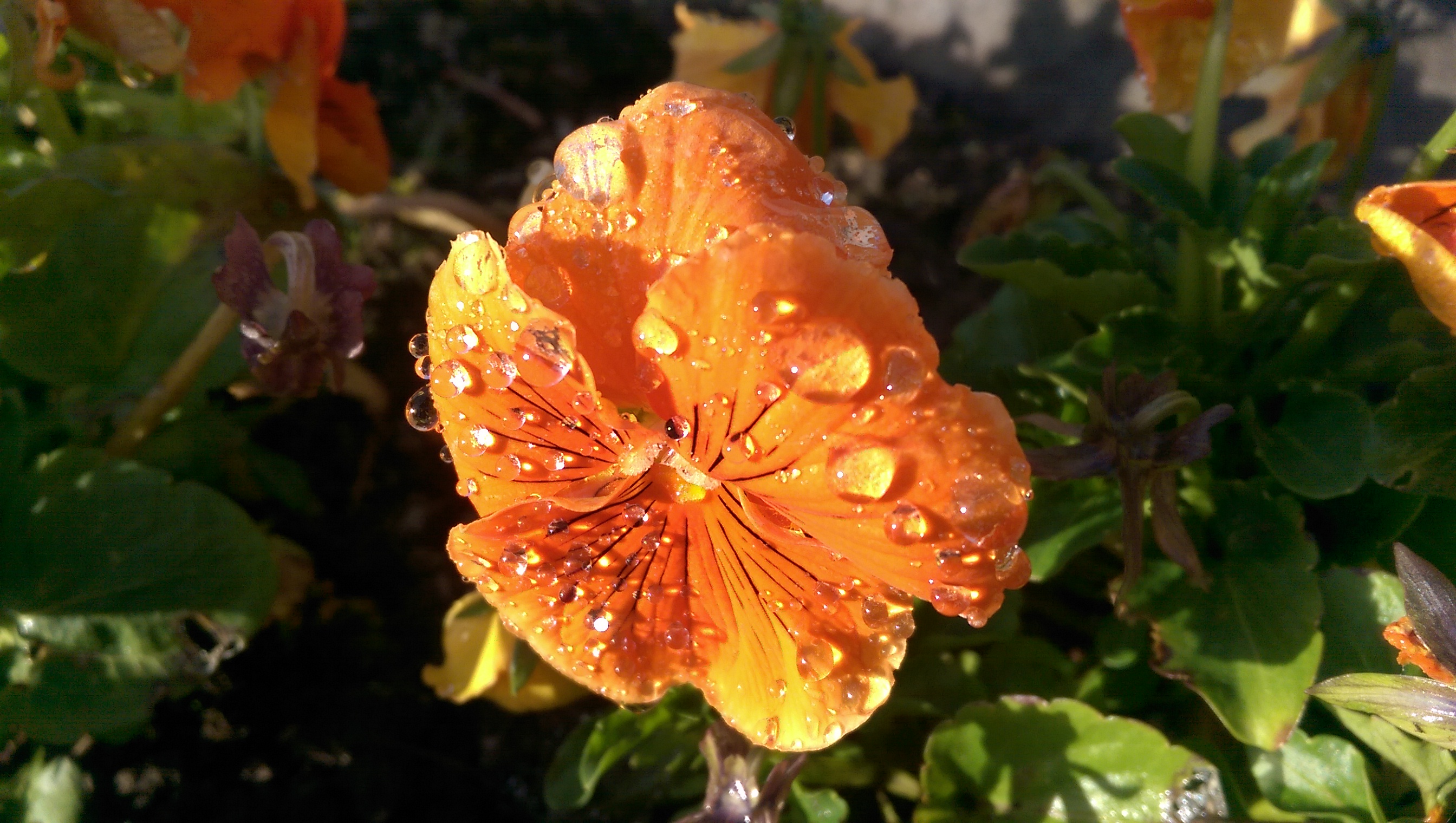
One moment, one flower - we each blossom in our own time.

One moment, one flower – we each blossom in our own time.

The title is not ‘finding my way’ this morning…because somehow that implies there may be only one such way of  my own, and I am coming to understand that while ‘my way’ is my own, and my journey is my own, and my choices are my own…there are so many options on a such vast menu of choices that this morning I feel less comfortable implying that any one way is the only one, mine or otherwise. I am my own cartographer, and I choose my steps, choose my path, choose my actions (and even choose what I think those choices may be).

This week I have had multiple opportunities to do what I can to be ‘supportive’ for friends suffering one or more of life’s hurts. (I am not very good at it, although I mean well.) People hurt. People suffer. Sometimes people even choose to do so. That’s hard for me to watch. I want to say ‘hey, choose differently…’, and sometimes I even do say something quite like that, but I know from my own suffering that it can be hard to hear messages of free will and choice and good self-care when we hurt. What is it about the suffering that can make it so difficult to turn away from it, when we suffer? It is undeniably true, in my own experience, that practicing mindfulness, meditation, and good self-care are often quite enough to ease my suffering, however much I am hurting. It is also equally true that knowing this is not enough to ensure that I reliably take advantage of that knowledge, myself. I see the challenge reflected back at me in the suffering of friends and those dear to me; they, too, find it difficult to turn away from suffering, and to choose good self-care, balance, perspective, and to take advantage of the tools in their emotional toolkit to sooth their own suffering through careful application of some verbs and choices (and many of them are not even a little bit ‘broken’).  Life’s curriculum, this week, is enhanced by case studies. We are each having our own experience… we are all in this together.

What is it that stops us from embracing all our choices, or from maintaining broad perspective, or from remembering that ‘this too shall pass’? I am still more about questions that answers.

There is value in considering the vastness of our potential, and our options.

There is value in considering the vastness of our potential, and our options.

Today is a good day to share without pushing, and to listen deeply. Today is a good day for affection, good-natured appreciation of the small things, and kindness. Today is a good day to be practical, and to be hopeful. Today is a good day to make good choices. Today is a good day to enjoy what matters most, and to invest deeply in what I love. Today is a good day to change a world.

I woke this morning, too early, because biology said so; I had to pee. I wanted very much to go back to sleep, even though I knew the alarm would go off in less than an hour. It mattered less that I might not sleep more, than it did to honor my desire to do so. I snuggled up in the warmth of the blankets, and let myself drift off, favoring meditation if sleep didn’t come. Sleep didn’t come. Anxiety did, though. Like a blast through my relaxed near-dream consciousness, like a bucket of ice water on a challenge I didn’t volunteer for, like a pit in a pitted cherry in a particular good bite of pie, my anxiety surged very suddenly, and without obvious cause. Amusingly, I ‘heard’ a distant imagined voice, calm and professional, my own, in the background “please do not panic…” and smiled as I comfortably shifted my body to a more open position, and focused on my breathing. The anxiety quickly dissipated, lacking anything to feed on, and I continued to meditate until the alarm went off, and then for a couple of moments afterward; reacting to the alarm often starts my day badly, for some reason, perhaps some association with the word ‘alarm’, itself, and I often take a couple of minutes to breath and relax before I rise.

Like any muscle, my will becomes stronger (and healthier) the more I exercise it. Practicing good emotional and physical self-care pays off over time, although initially I wasn’t really  certain that such small changes would ‘matter’. Isn’t that the thing though? If I had insisted for myself that small changes, better practices, and that really committing to the practices that feel good to me were of no value – or no lasting value – or that I ‘won’t be able to make that work’, I most assuredly would have achieved what I was certain of – they wouldn’t have been of much value. Don’t get me wrong on this one, I am not decrying the value of empirical evidence, or sneezing on the standards of proof in science. I am suggesting that it is rather obvious, regardless what can be proven effective, that we have the power to render the most effective treatment worthless by undercutting our will, or by defining our successes as failure, or simply by choosing to identify the outcome as ‘not working’. This is not a matter of ‘faith’ – because the things I am practicing are not ‘faith-based’ practices. Like any practices, if I don’t actually practice them, they will not be effective – it is my choice to apply myself, to enact my will, to see change manifest because I choose it. There are verbs involved…but there is also acceptance, and awareness involved.

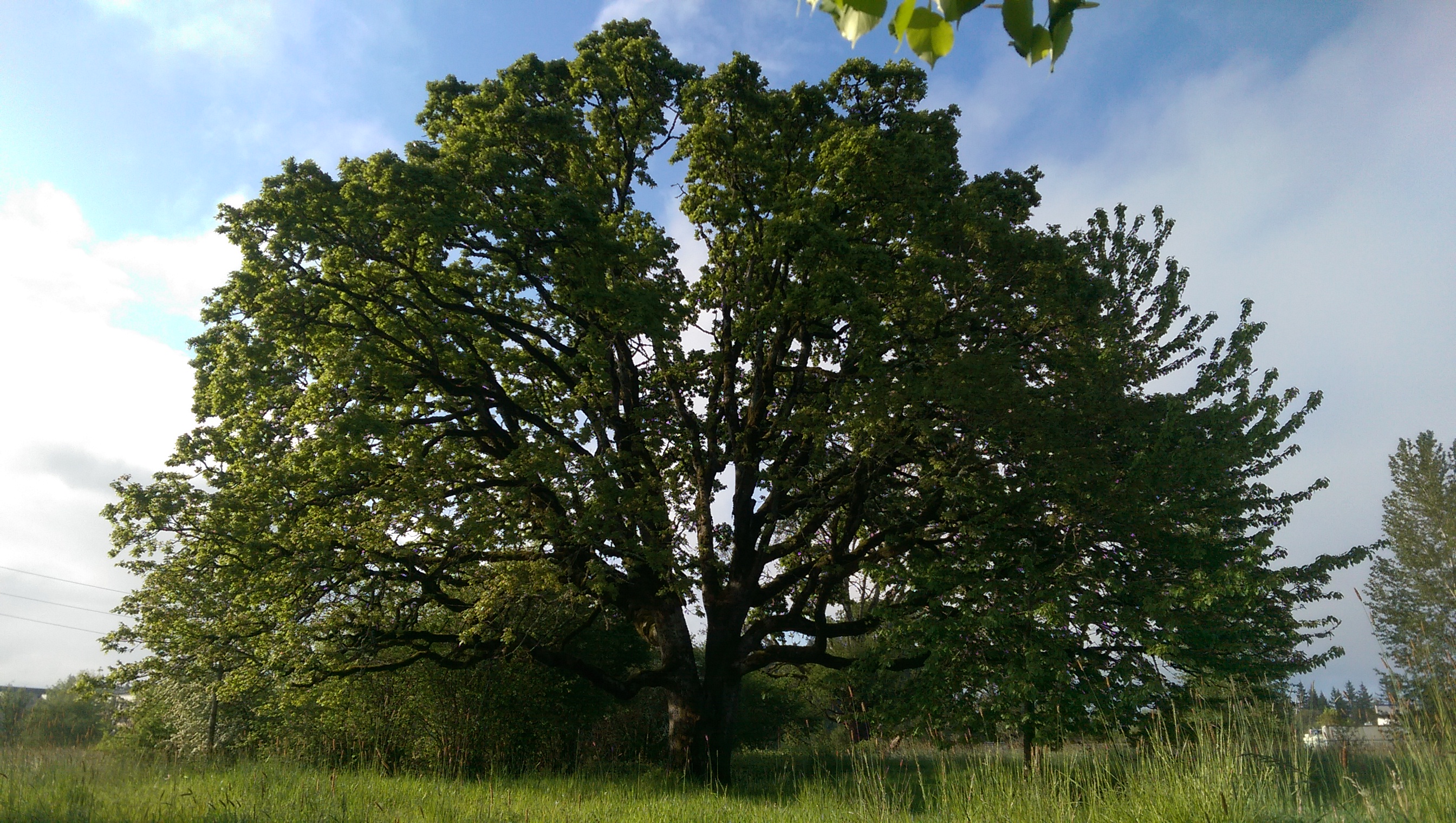
Tree of Life, Tree of Knowledge... or just a tree? You choose.

Tree of Life, Tree of Knowledge… or just a tree? You choose.

Why am I on about this today? For a friend, actually. It seems he has lost his will, and is surviving life on his ‘won’t’ instead. It sucks to see him suffer – worse still, it sucks to see him not only choose suffering, but to invest heavily in the continuation of suffering as though the suffering itself has great value, or is the desired outcome. Hell, maybe it is. He does get to choose. I feel both sympathy and compassion for his struggle; I have my own such moments. Maybe we all do, now and then. We each make our choices. There are verbs involved. Our results vary. We are each having our own experience. The map is not the world. The journey is the destination.

My friend has been exposed to all these ideas, himself. He has a lot of people who support and encourage him (although he often doesn’t recognize or acknowledge it). He very specifically enacts his ‘won’t’ at many decision-making points, and defines many moments as failures, accepting that there is no possible good outcome available to him. He often makes a point of limiting his perceived options, and holds onto life-goals that appear specifically chosen to be as far out of reach as possible, while firmly refusing himself any opportunity to see more of life’s potential. It makes my heart ache to see him suffer…and it confuses me to see that it is willful, and so carefully crafted. I am powerless to help – because these are his choices to make, and he makes them. Another lesson on attachment, perhaps, and a reminder that some of my own self-inflicted suffering is a matter of choosing (poorly) to find myself responsible for someone else’s self-inflicted suffering by assigning myself some portion of the task of alleviating that suffering. It doesn’t work that way with self-inflicted suffering; only the self can choose to let that one go.

The loveliness of life is not visible so easily if my eyes are closed; knowing this may not be enough to decide to open my eyes. That's how choice works.

The loveliness of life is not visible so easily if my eyes are closed; knowing this may not be enough to decide to open my eyes. That’s how choice works.

Today is a good day for good self-care, and for loving the being of light that inhabits this fragile vessel. Today is a good day to be compassionate. Today is a good day to consider more than the obvious options, and choices that didn’t make the first list. Today is a good day to be open to success, and to accept failure as an opportunity to learn and grow. Today is a good day to love, and to put myself at the top of my own agenda. Today is a good day to change the world within.

I slept well and deeply last night. I woke feeling stiff, and in pain, but in a generally positive place emotionally. It’s an ordinary enough Wednesday. I sip my coffee and consider how meaningless the sentence “It’s an ordinary enough Wednesday” actually is, if one does not know the meaning of the word ‘Wednesday’. It’s quite difficult to have a good quality discussion on a topic, if the participants don’t share a similar understanding of how the words being used are defined. It’s a huge part of the ‘each having our own experience’ puzzle; the way we understand the world, ourselves, and the way we use language have the potential to be misunderstood.

We are each having our own experience.

As with the definitions of words in the spoken and written language we use, our assumptions ‘about’ things and people going on around us define other characteristics of the world, and our experience; our assumptions are quite individual and personal, and may not be shared by others. The assumptions we each make may not even be ‘accurate’ when compared to what can be shown empirically, tested, or verified.

We are each having our own experience – and it may not be ‘real’… or to be more reasonable, it may not be anything at all like the experience a large percentage of other people are having, seem to be having, say they are having – or is being held out as some sort of defining ‘norm’. It’s our own. Exclusively and entirely ours – and mostly chosen, and often based on our assumptions. To be clear, I’m not attempting to say that we are ‘at fault’, ourselves, when someone else acts against us violently, or when we must endure non-consensual experiences inflicted upon us. We can make use of our free will to take action, and some of the actions taken in the world are inflicted on someone, by another, causing pain, injury, or assorted other negative outcomes.

Some of the most horrible things that occur in the world are defended, and often by a great many people, using assumptions and definitions to support them, while the suffering is decried by others, also based on assumptions and definitions. It’s messy. Who is ‘right’? Does the injured party define the circumstances because they are injured by them? Does an aggressor define the circumstances, free to do so based on ‘intent’ versus ‘outcome’? We each have our opportunity in life to examine this puzzle closely; we will each hurt someone, sometime, and we are each at some point hurt, ourselves. When we are hurt, does the intent of the one who hurt us matter more than our pain? When we have injured someone else, which thing is more significant to us: explaining why we didn’t mean our actions to cause injury, why our actions ‘shouldn’t have’ caused injury, or that someone is hurt? Is being ‘right’ more important than treating each other well?

We are each  having our own experience – and I can’t answer my questions for anyone but me, really. I am thinking these things over, myself, because ‘reciprocity’ is on my mind; it’s one of my Big 5 relationship values. Reciprocity, from my perspective, might mean everyone takes turns on a household task, or it might mean that one person does a specific thing routinely because they don’t mind or have unique skill at it, while others also take on tasks similarly suited to their nature in equal measure, thus distributing the work in a way that is balanced and fair to all. Reciprocity can mean ‘taking turns’. Reciprocity, emotionally, means I give support in equal measure to receiving it, and that I back my partners goals and growth equally with my own. “Equal”, “balanced”, “fair” and “reciprocal” are all words, and because we are individuals, we define them for ourselves, quite individually. My need for reciprocity is not necessarily shared by others; it is my own choice to value this quality in my relationships, and to foster it in my own experience. I choose whether to build relationships with individuals, and can’t force my values on them. Sitting here sipping my coffee and considering reciprocity as a relationship value I realize that one thing I think is utterly urgent to be reciprocal with is consideration, itself. Reciprocity is hard to achieve if I don’t take time to consider what has value to others, what their needs may be… Oh, damn. Another definition would be needed… “need” versus “want”.

Each having our own experience…and it hits me hard, as I down my last gulp of now cold coffee; if I am engaged and present in my own experience, awake, aware, and observing the experiences of others while doing so…making the wisest choices I can to take care of me, and meet my own needs over time…listening deeply when others interact with me…practicing non-harm, compassion, and self-compassion…treating myself truly well, and living beautifully…it sounds rather as if on those terms, reciprocity happens, consideration is, and The Big 5 dovetails quite seamlessly with The Art of Being. So…this tells me living my own experience fully, and mindfully walking my path each day is ‘all’ that is required to live a life that is generally contented and joyful. There’s definitely a lesson about attachment sneaking in there, too. My definitions, my values, my goals…your results may vary.

I am a flower, blooming in my own time.

I am a flower, blooming in my own time.

Today is a good day to enjoy the person in the mirror. Today is a good day to do my best. Today is a good day to build emotional resilience and self-sufficiency, appreciating how far I’ve come, and what a lovely journey it generally is. Today is a good day to listen deeply, to love well, and to savor being okay right now.