
I dislike argument. There. I’ve said it.
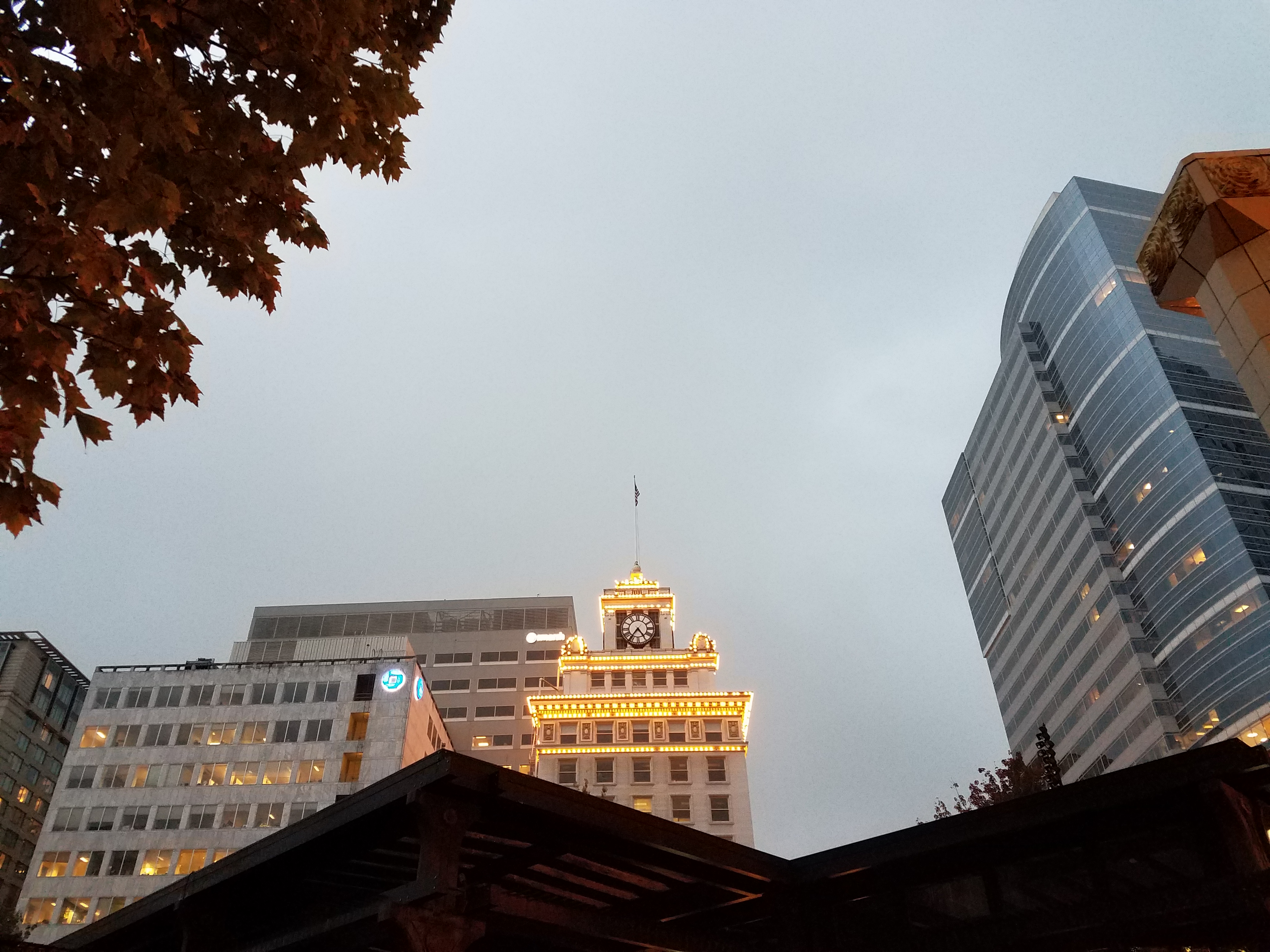
One perspective of many.
I enjoy lively discourse. I embrace passionate discussion of individual view points. I cherish intellectual exchange, and sharing knowledge or perspective. I learn; I grow. Argument isn’t those things. Argument is a failed meeting of minds, in which individuals continue to insist on their own view, their own perspective, and fail to hear each other, seeking instead to persuade that their point is the correct understanding, and only that outcome will satisfy. Argument is often emotionally bullying, and more about intimidation and insistence, sometimes degenerating to insult, deceit, or emotional manipulation, to “win” the argument. No one wins, of course, and generally someone – often everyone – walks away feeling hurt, or misunderstood. Argument sucks, from my point of view, and I avoid it. I also have a brain injury that leaves me very vulnerable to being baited into an argument – being made entirely of human, this has made learning to disengage very valuable, and I continue to practice, with varying results. The verbs involved are those that make use of emotional intelligence, intent, free will, a sense of perspective, and a commitment to good emotional self-care; it’s a lot to juggle during an argument. Once I realize I’ve been baited into an argument, I do my best to disengage graciously, and without malice or ill-intent. We’re all so very human… and some people actually like to argue; I’m just looking for the exit.
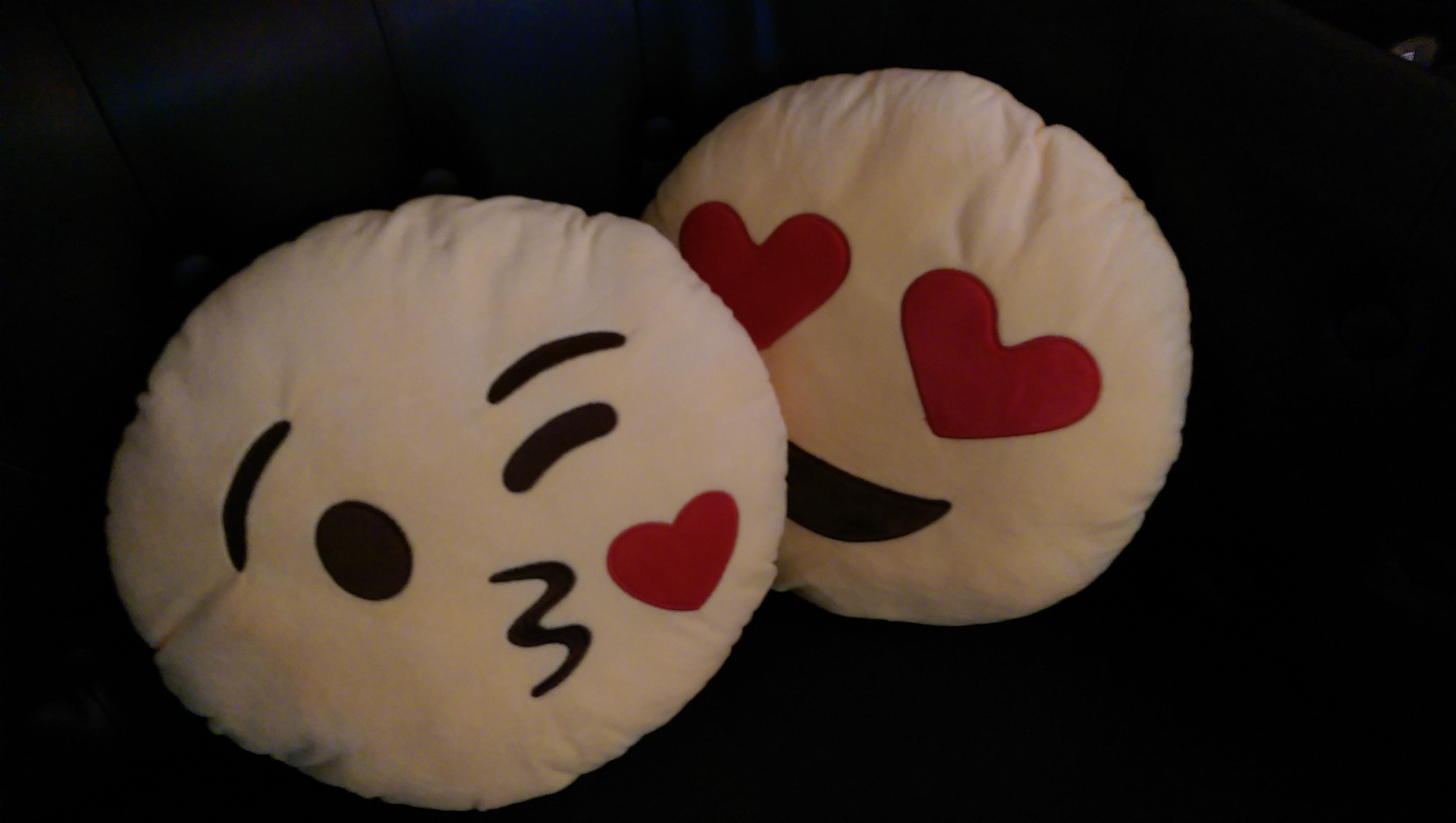
I’d rather love and be loved.
Last night I got baited into a political argument that at first glance looked more “discussion-worthy”, having been initiated by friends that I feel comfortable with and trust. Once I recognized I’d been drawn into an argument (with a commenting family member), I worked to extricate myself politely. This did not go as planned, and I became frustrated and emotional, and hung-up on some of the peculiar tactical linguistics in use.
I prefer authenticity over game-playing, and made a frank (and fairly vulnerable) statement that I was struggling with the conversation, possibly because my communication-style, and TBI, were making it hard to communicate easily, and that I was tired and not at my best. I expected, based on years of civil discourse with other human beings, that this would bring the conversation to a friendly, compassionate close, between equals – we’re family, so of course, we all have each others well-being and best interests mutually in mind… right? Nope. Not an ideal assumption, sadly; instead of support, I got a personal attack. It was weird, and frankly unacceptable. Rather like telling someone on crutches struggling to handle a door and some stairs simultaneously to “grow up” and “get over it”… instead of holding the damned door. I was told by way of reply that I was “playing the victim”, and assorted such things. It was, from my perspective, hurtful, awkward, and… not something I personally care to foster in my own experience, certainly not from someone who says they care.
We’re still all human. All people. Each having our own experience. Each making our own way in the world without a map. My “Big 5” relationship values aren’t something I just say; they are how I build my relationships: Respect, Consideration, Compassion, Reciprocity, and Openness. An authentic statement of vulnerability given openly, met with something other than respect, consideration, or compassion, tells me something about the relationship in which the interaction occurs. If it occurs with a stranger, I just walk on. I don’t find it necessary to tolerate callousness or hurtfulness generally. When it occurs with a friend very dear to me on whom I can rely to be a good friend, clarifying questions seem appropriate (miscommunication is a thing that happens), but if it turns out I am incorrect about the quality of the friendship in the first place, and clarifying questions reveal that, I am inclined to walk on.
There is no requirement whatsoever that we maintain relationships with people who don’t treat us well. We choose our relationships. I experience no sense of obligation to invest in or maintain a relationship that doesn’t bring out my best qualities. Here’s something about me, though; I extend that to family, too. I pretty much always have – I grew up in a world where family was no more to be trusted than any other human beings, and possibly less so. Much less. I don’t have “family loyalty” hard-wired into my thinking, because for most of my life people who said they love me have been the first in line to do me harm. A lot of people behave in a way that suggests they find it more acceptable to treat family members poorly than they do strangers (for example, treating coworkers or the boss with more affection and respect than their partner, children, or siblings). I’m not those people.
I wasn’t always the person I am now, that’s pretty basic and obvious. From the vantage point of this woman, here, now, I make a point to treat people consistently well – whether they are strangers, lovers, family, coworkers, or friends. It’s a practice. I’m quite human, and my results vary. I learned a long time ago, though, that relationships among equals require all participants to use their words – and their verbs – and to be equally committed to similar shared values, otherwise the quality of the relationship suffers. Where these conditions are not met, and upon discussion it is clear that they won’t be… I walk on. I no longer allow my desire for connection and intimacy to be turned on me. It feels better to walk on, and build healthy relationships elsewhere.
Generally, we each feel we are the good guy in our own narrative, building an understanding of ourselves and the world around us that smooths life’s harder to grasp gray areas into sharply contrasting either/or propositions. Human primates like certainty. Once we feel certain, we hold on like our lives depend on it. I think, quite likely, the only thing that actually depends on us holding on to that feeling of certainty, is our sense of righteousness and place in the world. While I don’t personally feel a need to be right (I’d rather be love and be loved), I recognize that many people do – to the point of needing an argument; I walk on.
Assumptions about other people are a major relationship killer. Doesn’t much matter who is making the assumption; most of our assumptions about other people are incorrect. Seriously. Even mine. Even yours. It’s a very human thing. When we insist on our assumptions, holding on to them and building our reactions, our responses, our words, on the backs of those untested assumptions, we are no longer having interactions with each other in any authentic way; we’re having conversations with fictional characters who only exist in our own narrative, and disregarding the living being before us. Well… that sucks. I ask questions, practice testing assumptions, and practice being my most authentic vulnerable open and real self – and practice doing so without hurting other people. Being human, I practice rather a lot, my results vary nonetheless, and I’m entirely capable of succumbing to the worst of my very human self and being insensitive, hurtful, or callous. I value relationships in which a friend can say to me “I’m very hurt by that” without games or baggage, and follow through with an honest conversation about our interaction, their values, their needs, our shared experience – such openness leads to understanding, and growth. As with argument, or my Big 5, we don’t all seek the same things from our interactions with others, and we are not all seeking change, improvement, or growth; sometimes the wiser choice is still to walk on.

One rainy autumn morning, suitable for reflection – and taking care of me.
It’s a quiet weekend. I have time for thinking, time for writing, time for a third cup of coffee. The calendar reminds me I’ve set the day aside for taking care of hearth and home, a day of housework and tidying up planned. It doesn’t feel like a burden or obligation; the rainy day beyond my window suggests it will be a pleasant day of music, dancing through chores, and a crackling fire in the fireplace, spent taking care of me. How delightful! We choose our adventure. We choose our narrative. We choose how we face our day, and our circumstances. Today I choose great self-care, and a day spent creating the order that feels so good to me. I wonder for a moment if my vulnerability to being baited so easily last night is in any part a byproduct of perceived disorder in my environment…? I walk on from that, too. It is a day for verbs, for actions, for choices.
Today is a good day to create order from chaos. Today is a good day for deciding what to keep, what to let go. Today is a good day to tidy up loose ends, and reconsider what matters most. Each new day I can begin again. Each new day is a new opportunity to walk on from suffering, and to practice being the woman I most want to be. There are verbs involved. My results still vary. That’s okay; it’s enough.
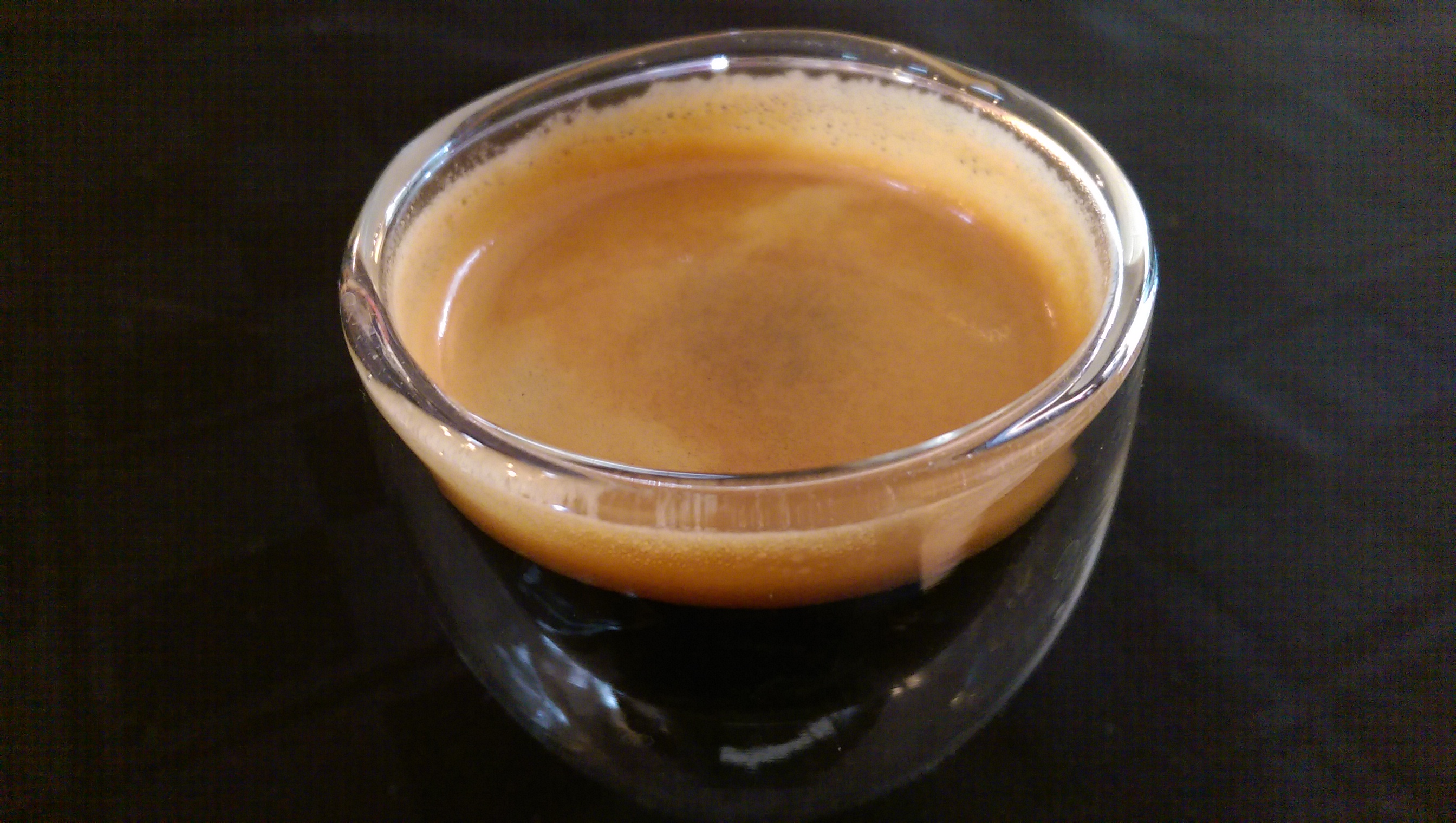

 Evening Light