
Archives for posts with tag: The Big 5

I’m thinking about the shitty weekend that is now behind me. I’m thinking about progress over time and results, both successes and failures. It’s kind of a deep dive on particulars, and maybe “TMI”. Feel free to skip it.

I’m sipping my coffee, which is quite dreadful this morning, and sort of “giving myself a report card”, because it’s true that without reflecting on outcomes, managing change becomes more a matter of surfing the waves of circumstances and less like working towards goals. So… I think about my “Big 5” relationship values (which I set down “on paper” back in 2013) – how am I doing there? I’ll use traditional US primary school letter grades. 🙂

  1. Respect – I’ll give this one a D, I guess. I could for sure do a lot better. I talk over my partner a lot, and even though it’s a brain injury thing, it’s still rude and causes hurt feelings.
  2. Reciprocity – I’ve got to give myself an F here; I suck at personal boundary setting and speaking up when I need help, and the result is that I often take more on myself than I can live up to, and then struggle to manage my resentment. It creates a mess that would be so much more easily managed if I ask for help when I need it, and say “no” when I’m not up to handling some task or another.
  3. Consideration – I get a B on “consideration”, I think – and I’m “taking points off” because I sometimes go a bit overboard, such that I fail to also consider myself, or create an uncomfortable circumstance where my partner may be unintentionally maneuvered into “taking advantage of me”. My heart is in the right place, my execution needs some work – as does my boundary-setting.
  4. Openness – Another F. I’ve been more and more withdrawn, lately, even as my partner gives me more opportunity to open up. It’s damaging for our ability to create intimacy, and may be a byproduct of feeling small or inadequate in our relationship.
  5. Compassion – I’ll give myself a C here. I could do better. I definitely feel the feeling, but I often struggle to express it sufficiently well.

Shit. That was unexpected. I thought I’d get better grades… What about personal values like:

  1. Perspective – I gain it. I lose it. It’s pretty inconsistent, and also pretty high on my list of important things, so… a C?
  2. Sufficiency – I’ll give myself a A on this one. I do pretty well at living this value these days. That feels good. Room to improve? For sure – still human, still prone to greed, envy, lust, yearning… room to do better.
  3. Authenticity – I’m going to give myself a D here. More and more lately I’ve been feeling compelled to “put a good face on things” in spite of clear signs that I’m struggling with… something… even if it’s just aging/menopause/human b.s., there’s legit self-harm in being inauthentic, especially in an intimate relationship.
  4. Frankness – Funny/not funny. I’d have given myself an A+ on this, almost reflexively, even a few weeks ago, but I’m forced to admit I’ve been working so hard on not just blurting out whatever the fuck is on my mind for so long now that I’ve gotten pretty good at not doing that. With my more recent growing sense that my partner wishes I would just shut up (I don’t think that’s actually true, it’s just an emotional experience), I’ve gotten increasingly unlikely to be very frank and direct with him. I get an F.
  5. Kindness – Shit. Wow. So… I have a kind heart. A+ there, but… my Traveling Partner was super clear with me this weekend that he feels that I routinely treat him unkindly, and he’s hurt by that (obviously, who wouldn’t be?). And also? My chronic negative self-talk? Yeah. Failing grade here: F. That stings a bit. I can do better.

Fuck. What the hell, man…? How about application of the Four Agreements?

  1. Be Impeccable With Your Word – well shit. Seeing a D grade for Authenticity, and an F on Frankness… an F on Kindness… a D for Respect, and an F on Openness? Sounds like a big failure here, too. F.
  2. Don’t Take Anything Personally – Omg. I take so much shit so personally. My Traveling Partner has his own issues. Too often I look right past the love to the issue he’s struggling with himself that has nothing whatever to do with us, or love, and I take it so very personally. F.
  3. Don’t Make Assumptions – I’m pretty good here. Not perfect. Not great. Better than average, I think… so… a B? Sometimes in a bad moment, I trip myself up with this one, but generally I do okay to check myself (and my assumptions).
  4. Always Do Your Best – I’m going to give myself a C here. I could do my best, better, more often, I think. Sometimes I don’t do my best at doing my best. Pretty average.

Shit. For real? And those relationship items I touched on yesterday? How about those? Where I am “at” right now?

  1. Active interest in my partner’s life? Definitely. Very much so. But… am I communicating that skillfully? No. No, I’m definitely not. My self-care failures are getting in my way rather badly, and I end up being terse, distracted, or disengaged when I mean to be attentive and curious. D.
  2. Aware of my “attachment style” and working to develop a healthier attachment style? Um… F. This was barely even on my radar until a few days ago. I’ve got a ton of work to do here.
  3. Embracing healthy conflict, and not “fighting” (working as a team to solve problems)? Omg. I’m conflict avoidant AF – and in a very unhealthy way. It would not be an exaggeration to say I am inclined to literally run from conflict. I’m terrified by expressed anger (especially by male partners), and struggle to manage my PTSD when conflict develops as a result. F.
  4. Open to discussing, facing, and resolving big fears and issues, not just small ones? I mean… in principle, sure, but… see item 3. I’m so conflict avoidant in the context of intimate partnerships that trying to bring up a concern with me has real risk of provoking a fight or a “meltdown” of some kind. I am not good at this. I want to be good at this, but my skills are wholly undeveloped, and I’ve been badly hurt in earlier relationships – there’s a lot of ancient pain, and emotional scars. Another F.
  5. Supporting my partner without scorekeeping? This is a weird one. I definitely “get it” intellectually and emotionally. I understand why scorekeeping is damaging. I have put in a lot of work to move away from this kind of damaging behavior… but I somehow find myself fairly easily provoked into one form of scorekeeping or another in moments of conflict, in spite of that. I’m giving myself a D.
  6. Having my own identity and recognizing that my partner does as well? I’ve been struggling more with this lately; I feel “downtrodden and small”, and often feel as though my only value in my relationship is work, housekeeping, and other such practical shit. That isn’t healthy. I sometimes feel as if I am “losing myself”. I find myself wondering if this may be what is causing my bout of depression? (It’s probably at least relevant…). C- or D.
  7. Creating emotional safe space for each other? Fail fail fail fail fail fail fail fail. F. All the fucking fail sauce.

…I’m not good at relationships is apparently putting it mildly…

Fuck. That’s a lot of shit to work on… I feel grateful for my Traveling Partner’s persistence with our relationship (I’m clearly not good at this shit). I’ve definitely got room for growth and improvement, and holy shit this stuff looks hard. I’m coming up short in areas that require me to skillfully set boundaries… to ask for help… to say “no” to stuff… to speak up frankly and directly… to make room for my partner to have his own emotional experience and feel safe doing so… How am I failing so hard after so much fucking work?? Well, tl;dr – it’s a very human experience, and relationships (unlike self-work) are collaborative; his issues are my issues, mine are also his. My progress isn’t guarantee of relationship progress. These are separate things that both need attention, time, work, and real love. Commitment. Will to act. Will to change. Will to approach – and to be approachable. Fucking hell… adulting is hard.

It was a hard weekend and I’m glad it’s over. Am I inclined to just “put it behind me”? You better believe it – but doing that without doing the work needed to make things right (long-term) puts this relationship that I value at great risk of failure. That’s not at all what I want, so I guess I’ve got to dig deeper and work through my bullshit. Hopefully he’ll also be committed to doing the same; we’ve each got our share of bullshit to deal with, and we’re each “half of everything that works” (or doesn’t) in this relationship. I guess I can start by trusting love, and trusting my lover, and working on improving the shit I’m not personally doing very well. I can do better. (I’ve got a list, and plenty of verbs.)

I’ll see my therapist, talk about my depression, talk about building emotional safety in my relationship… and begin again. It’s a good place to start. Every journey has to start somewhere.
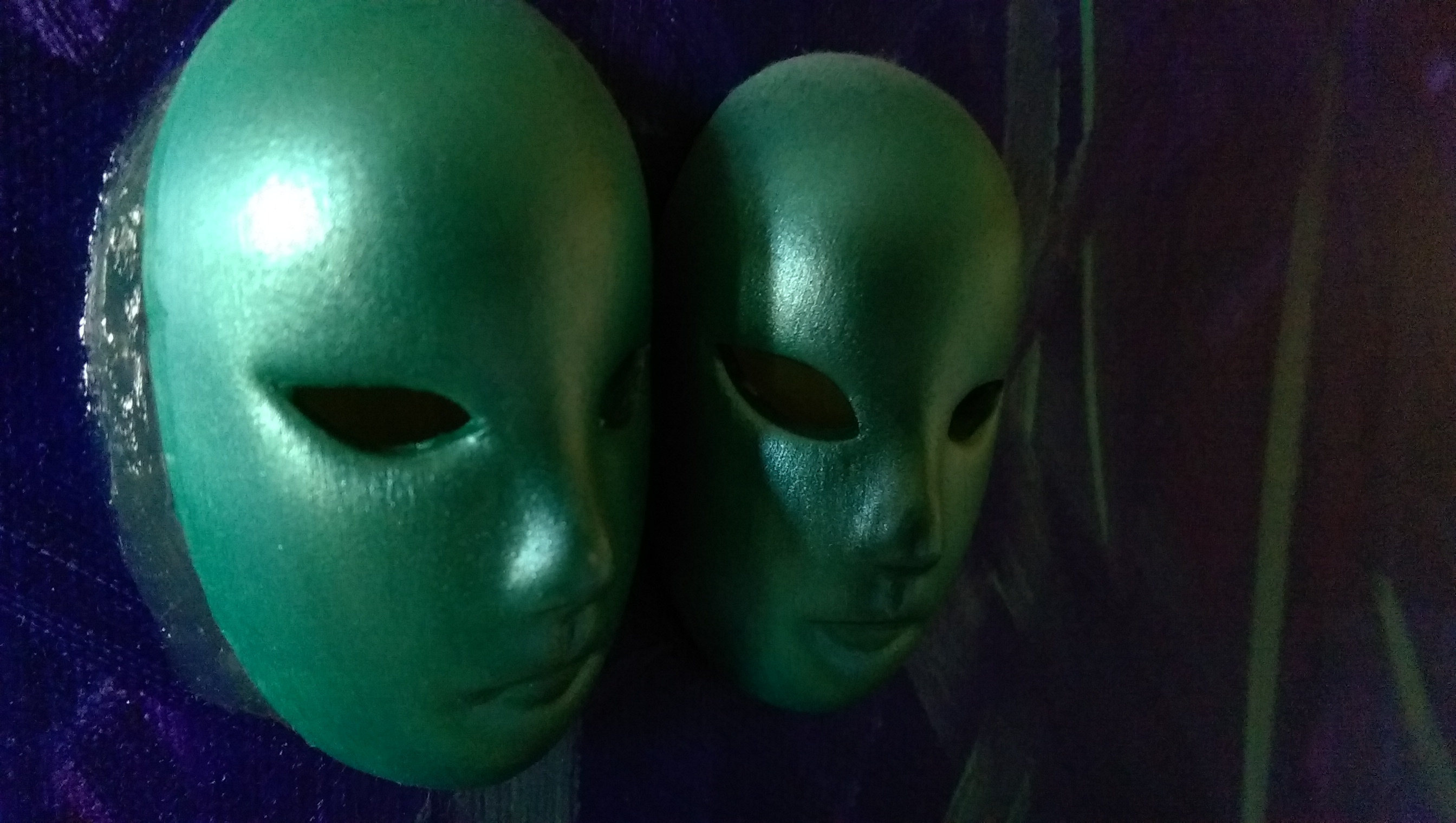
Imagine trying to build something you’ve never actually seen and don’t have a detailed description of. It would be predictably quite difficult, wouldn’t it?

What does a great relationship actually look like, for real? Not “what is perfect “, because that’s not a thing. Certainly not whatever the fuck the dizzying fantastical first 6 months of passionate certainty that “this is for real love” is (although the vibes of new love are amazing, that rarely seems to last beyond a year or two at best). I mean that spectacular, deep, reliable, hilarious, fond, and comfortably intimate love that develops (for a lucky few) and deepens over time – what does that really look like? What are the rules? The guiding principles? The obvious necessary practices that sustain the energy of adult love over decades?

There are relationship books aplenty. I sometimes find some useful tidbit or practical suggestion in such books, but rarely more than that. There are therapists who specialize in relationships and family therapies, and no surprise there are plenty of relationships and families that need help. But what does a healthy relationship even look like? For real? (And who said so?)

I am for sure no expert. My early-life relationship models were all absolute train wrecks of relationships, shitty experiences if not explicitly abusive. So… of course, I do find “getting it right” quite difficult, even after years and years of therapy, and a couple “do overs” (I’m on my 4th long-term relationship). My relationship with my Traveling Partner is by far the best and healthiest romantic relationship I’ve ever had, free of violence, free of intentional mistreatment, with it’s foundations clearly based on a deep and lasting affection for each other. It’s still a relationship with me in it, though, and I’ve got issues. I could definitely “do better”.

partnership

Hold on a minute… No, I’m not missing the point that there are two of us here and we’re both very much responsible for the quality of our relationship. I write about my life from my own perspective, and it would be both an injustice and also beside the point to make statements about what he could be doing about things; that’s for him to handle. I’m accountable for my own thinking and behavior, and making changes is within my hands. My work. My practices. Reasonable for me to discuss. I can’t do those things for him, or on his behalf, and it wouldn’t be appropriate to be making assumptions about his thinking, or what he “needs to do”, and it is an opinion of mine that attempting to do so would be, at best, ineffective. So, I stay focused on me. What I can do. What I understand. Where I find value. What does or does not work for me.

“Emotion and Reason” 18″ x 24″ acrylic w/ceramic and glow details, 2012

What do I want from love, and what does it require of me? Am I truly up for it, once I am confident I understand what it takes? These seem like important questions to ask and answer, preferably before getting all tangled up in a relationship based on love. My Traveling Partner and I have been together 13 years. In May, we’ll have been married for 12 (seriously?? where has the time gone…?!). Here I sit, though, thinking about love over my morning coffee, and wondering whether my expectations and understanding of love are… realistic.

What do I think a “healthy relationship” looks like? I listen to a drenching rain pounding the roof overhead and think about it. I think (for me) a healthy relationship would be characterized by:

  1. Mutual respect
  2. Mutual consideration
  3. Mutual encouragement
  4. Mutual support
  5. Shared values
  6. Compassion
  7. Clear expectation-setting
  8. Clear communication without mockery, contempt, or condescension
  9. Skillful listening
  10. Equitable distribution of labor

I read that list back to myself, thoughtfully. If this is what I want, myself, how well do I deliver on these qualities in my own relationship, right now? I think about the “wins” with some satisfaction… I probably do very well at … 4 of these. Fucking hell. Really? That’s it? 4 out of 10? 40%?? So… yeah. A failing grade. Altogether fairly shitty. Wow. I will admit I did not see that coming, as I wrote… I’m betting my Traveling Partner won’t be particularly surprised.

I’m now understanding a bit better some of his beefing about “us”… and I am a bit saddened by it. I’m also feeling… encouraged and hopeful. Easier to practice something when I’ve got a clear idea what success looks like. Keeping the list limited to practical qualities that would appear to build and support a healthy relationship instead of listing desirable results seems to have had the intended outcome, too; I can see more clearly where I miss, and what I can work on for best long-term results over time.

I find myself wondering what my Traveling Partner would say characterizes a healthy relationship? I wonder how he would score his success? I sip my coffee thoughtfully…

Looks like a lot of fucking verbs in that list. A lot of practices to practice. …And a lot of changes to make. As daunting as that seems, it does put a lot of control over the outcome in my hands. I’ve just got to do the verbs. Practice. Recover from my failures. Savor my successes.

…I guess it’s time to begin again.

Is it worthwhile to “be nice”? Is it useful to “be approachable”? Is it possible to be kind and agreeable and still authentically the person I am “at heart”? Short answer; yes. I mean, that’s my opinion, and I’ve had good results making the effort to pivot from chronic sarcasm, day-to-day cynicism, and bitterness-as-humor, to something… “nicer”. That’s really it. The entire point. You can go have coffee or move on with your day. The rest is just more words. 😉

The tl;dr is that I see value in being pleasant in interactions with others. You may feel differently, or even be inclined to argue the point (but I won’t be taking the bait – I said what I said).

It can be damned difficult to maintain a façade of pleasantness or to force a smile, and a “customer service approach” doesn’t feel “authentic”, generally. The thing is, though, when I was a bit less kind, less pleasant, less approachable… I was also less fun to be around, less likely to be supportive, and more inclined toward being argumentative. Making a change in favor of being more “agreeable”, generally, and more pleasant has not stopped anyone else from continuing to be whoever they choose to be (and thus has not prevent some argumentative interactions with folks inclined to that behavior, though I do endeavor to avoid such interactions – and relationships). Sometimes it is difficult to be nice, kind, compassionate, understanding, and present. Sometimes it is effortless. If I am in pain it can be especially challenging to be my “best self”. Still worth the effort most of the time.

…And it is possible to learn to be nicer, kinder, more agreeable, more pleasant… it just takes a fuck-ton of practice…

My Traveling Partner pops in for a moment and reads the first sentence over my shoulder. “It’s better to be kind than to be right,” he says, “but you can be both.” He looks thoughtful and adds “…be kind first” as he moves on to other things.

Some people are unpleasant, disagreeable, or unkind. That’s not about me, and I don’t have to “drink the poison“, or “take the bait” – although I may need to exert an effort to walk away from bullshit now and then. Look, let’s just take “helping them change” or “fixing their issue” off the table right now – I know it’s tempting, but it’s not actually a thing (even within our relationships). They have to do their own verbs to become the person they most want to be, and maybe they think they’re just fine as they are? If who they are is giving you grief, that’s a mismatch in social values, not a troubleshooting scenario for you (or me) to fix – even if we find ourselves in a relationship with someone who “isn’t easy to be around”.

Similarly… maybe it’s you? Maybe you’re the asshole? (I know it has been me, more than once…) Are you really the person you most want to be? Do you actually want a reputation for being short-tempered, unkind, disagreeable, contrary, cranky, unapproachable, arrogant, terse, argumentative, or unpleasant? Does any of that actually sound good? (I bet it doesn’t.) We usually get around such things in our definitions of self by pointing our finger at someone else (or circumstances) and saying “they made me…”. (Provocation doesn’t excuse bad behavior. Just an fyi on that.) Making excuses for our short-comings doesn’t make our short-comings more acceptable – they just slow our progress toward being a better human being, as an individual, based on those things we can choose to do (or change) to be the best version of ourselves we can imagine from the perspective we’ve got. Another common “out” we reach for too often is that we were not “understood”. Were we not? Truly? Or are we just hoping to be off the hook for a moment of nastiness we really ought to sincerely regret, and move on from committed to doing better? The worst of the excuses is using straight up justification of our worst behavior, as in “I am taking this approach because it is necessary [to get a desired outcome].” (Is it, though? Really? Or are you just being an asshole because that’s less work for you, personally? Couldn’t you do better?)

Anyway. I am sipping my coffee and thinking about how to feel cranky without “being” cranky, and how to express frustration or anger without becoming the embodiment of my worst self, or taking a frustrated or angry tone with someone I love. Seems likely it can be done… I probably won’t solve that over a single cup of coffee but it sure seems worth considering. 🙂 It’s along the same line of thinking as “how do I survive trauma without becoming a monster?”, but that’s a very large puzzle and pretty much 100% of all of the words in this blog touch that one in some way, you know? Breaking down the big challenges into smaller challenges, and finding the small practical details that can become the loose threads that unravel this tangled mess is kind of the point of sitting here at this keyboard. 😀

It’s a whole new year opening up ahead of me. How will I use this mortal time to live my best life, and to be my best self? Where will this journey take me?

I’m on my third coffee this morning. I slept poorly. My Traveling Partner slept poorly. I slipped away early in the morning hoping he would be able to get some better sleep, but that didn’t work out ideally well. I am sitting in the studio, drinking coffee and considering the causes and the potential outcomes, and wondering how best to be helpful.

“Being considerate” may very well be one of the most powerful skills (and practices) that a person can bring to social relationships (of all kinds). I have found it sometimes a bit difficult to define “consideration” – in spite of placing it high on my list of things to look for in relationships. I see people who are “considerate” practicing deep listening, explicit expectation-setting, skillful boundary setting, asking clarifying questions, testing their assumptions, yielding their natural desire to be “right” preferring to be kind, making an explicit effort to refrain from “centering themselves” in every circumstance or conflict, and being very comfortable making a prompt apology when another person points out a transgression. That seems like a lot to manage, but it really does all map to “consideration” – as in, genuinely considering what those around them are going through or may need.

Let’s be clear on one point; I don’t see considerate people being doormats or open to being abused or mistreated. They use boundary setting and expectation setting with great skill and comfort. They consider their own needs along side the needs of others, and make a point of practicing good self-care, too.

Lacking fundamental consideration leads people to casually mistreat others without intention – and often without noticing, and sometimes following-up by callously doubling-down on that mistreatment by attempting to deflect blame (by way of excusing their actions as “unintended”). Doesn’t really “make things right” to do things that way, and feels still more inconsiderate. People who are inconsiderate are by far more common than people who are considerate! It has become socially “normal” to see (or have to accommodate) inconsiderate behavior from others. People are busy. Self-involved. Dealing with their own shit. Struggling to heal trauma. Uneducated about the impact their choices/words/behavior has on others. Unaware how much difference consideration can make. There’s a lot going on with inconsiderate people. Most of it is even shit everyone has going on in life. One thing that isn’t going on with inconsiderate people; they are not being “considerate” (probably a huge timesaver, I don’t know…).

Consideration and considerate behavior isn’t “natural” to human primates; we learn it from our social group(s) – and therefore must teach it to our companions, explicitly. Children generally get taught “sharing” – a part of consideration. Every element of consideration probably needs to be explicitly taught. As a culture we’re clearly falling down on the job, there, based on the general rise in inconsiderate behavior, basic rudeness, and prevalent violence. I’m pretty certain that very considerate people are likely less prone to violence. It’s something to think about.

Today, I’m struggling with “my nature”; I tend to be very considerate (of others), but also tend to fail myself on the self-care and boundary-setting side of things. Knowing my Traveling Partner did not sleep well, I consider what I can do to be helpful, or to at least minimize the potential for stress or conflict in our relationship due to the both of us being fatigued and in pain. It’s complicated. What does he need? What does he want? Can I provide those things? Is guessing at them wise? What about me? What do I need, myself? Can I meet his needs and my own? When do well-intentioned inquiries about what he needs become invasive or pestering? How do I prevent my own boundary and expectation-setting needs from being swept aside in the pursuit of a gentle day together (under difficult circumstances)? What is reasonable, and what is excessive? How far do I take “not taking things personally” before it becomes entirely necessary to “push back” or point out a boundary – and how do I do that gently enough to also avoid sounding “bitchy” or unreasonable?

My anxiety simmers in the background, and that’s not at all helpful. Consideration, like “mindfulness”, is something that takes quite a bit of actual practice (at least for me). It’s not my “default” human behavior. It is, however, something I value quite a lot – enough to keep practicing. Enough that it matters to achieve mastery – and balance.

It’s a new day. There are opportunities to be a better person than I was yesterday. There will be verbs involved, and practice required. My results will no doubt vary. It’s a good time to begin again. 🙂

I’m down to the end of this cup of office coffee, here in the icy chill of the co-work space. (Seriously? It’s summer, it’s okay if the office is 75 degrees, instead of 67! It’d still feel cool. LOL) There’s so much angry shit in the news, so much violence, and generally bad behavior. It’s hard to fathom how so many people can take the actions they do, say the things they do, treat each other the way they do. Why is there so little practical effort to “make the world a better place” – most particularly by the people making it bad to begin with?!

We could all do better, I’m sure. This is not an “us vs them” thing; we each have opportunities to do better, with regard to something. This isn’t about “left vs right”, either – there are some shady “bad actors” on the left and on the right. There is a seemingly endless uncountable number of misogynist racist xenophobic ass clowns just… every-damned-where trying to rationalize or excuse their bullshit (or force it on the rest of us). It’s pretty horrible, and I’m frustrated and saddened by it.

I’ve heard that if I’m inclined to complain, I ought to come with a solution to propose. I’ve got you. No problem. Here it is; practice Wheaton’s Law. Every day. All the time. Reliably. Everyone. Simply that. If everyone really did embrace Wheaton’s Law to guide their day-to-day interactions, I suggest that that world would be a far better place than it is right now. Just saying. Do better.

…Yes, you, too. Yes, me too. Just do better. Be a better human being today than you were yesterday. One interaction at a time. Practice. Sure, your results will vary (I know mine do). It’s still better than just not doing a damned thing about human misery. Do something. Some small thing.

Practice Wheaton’s Law.

Begin again.