Archives for posts with tag: expectations

I slept well. I woke rested. My coffee is adequate, and I’m content with that. It’s a generally pleasant morning. Sunday’s bit of afternoon aggravation in traffic seems far behind me, and it would be easy to just let that go so completely that I leave myself at risk of repeating that experience for lack of fully considering the circumstances, and how best to care for myself and build lasting emotional resilience such that it doesn’t ever happen again (a lofty, potentially unreasonable goal, also worth keeping a watchful eye on).

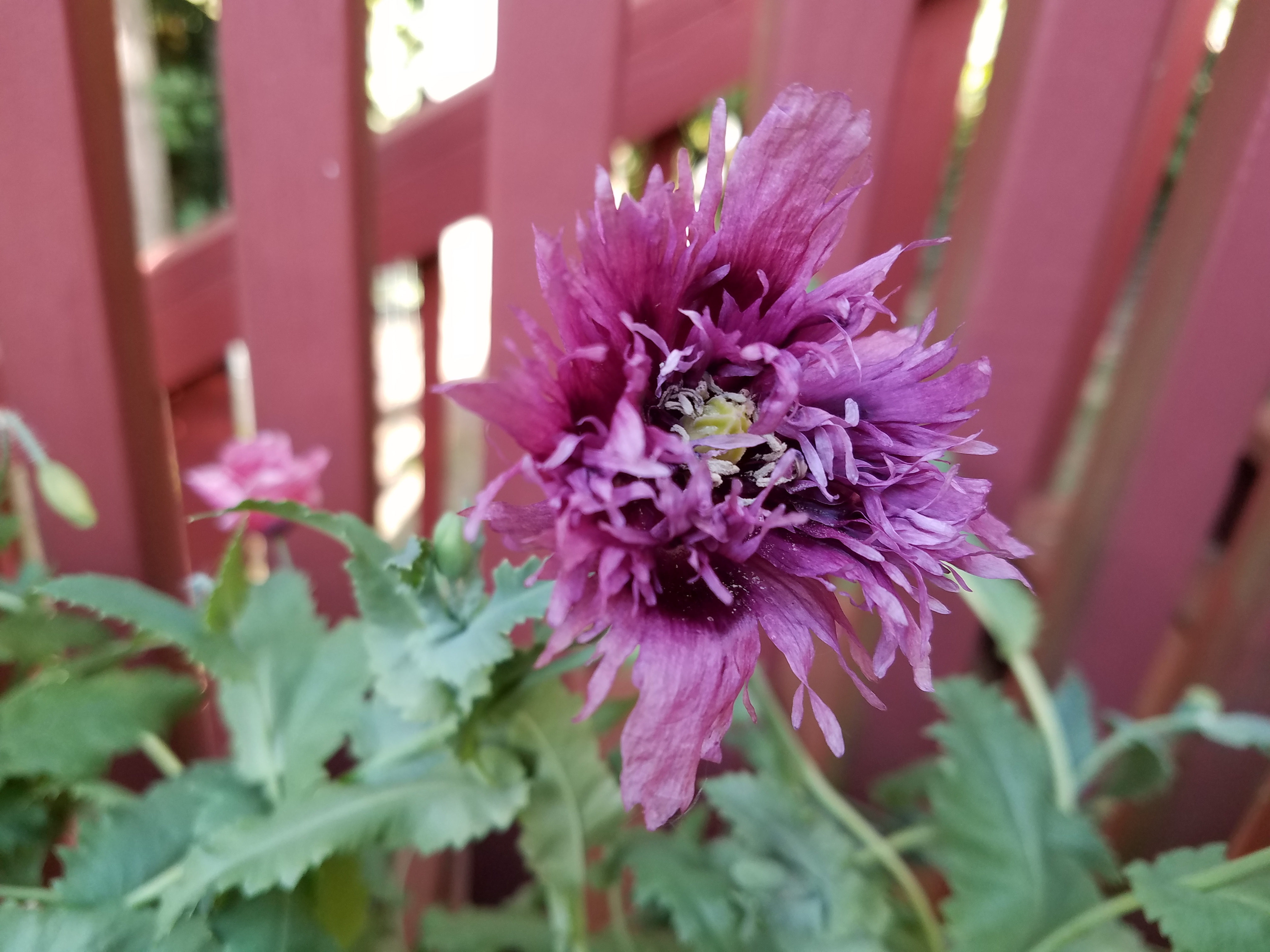
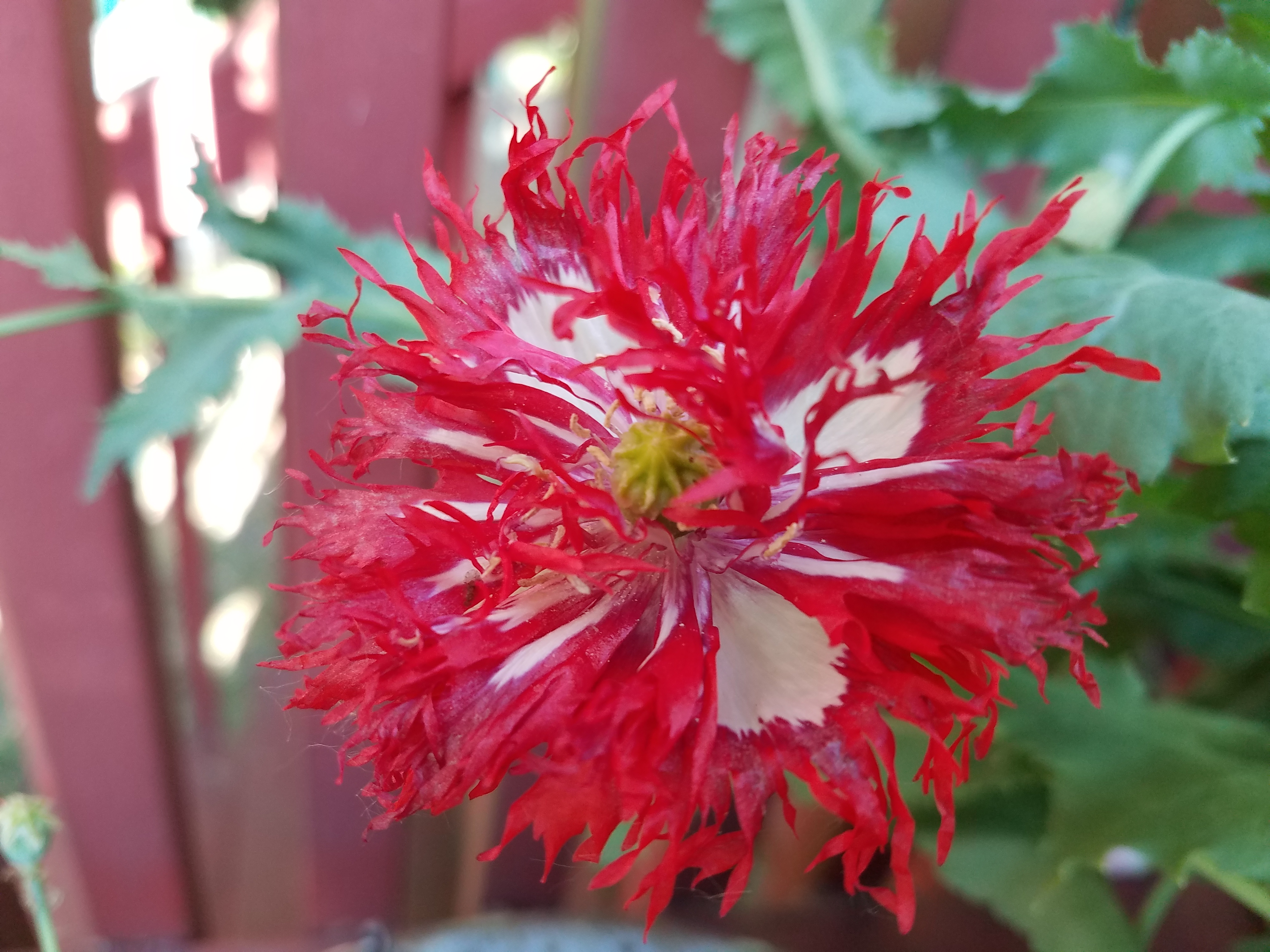
The flowers in my garden may bloom on their own, but they do so more beautifully, more generously, more reliably, if I care for them with skill.

This morning I take time to consider what opportunities for self-care got overlooked, or set aside, and which among the later consequences turned out to be unacceptable compromises after-the-fact; it’s a helpful way to re-calibrate what matters most. It’s helpful for ensuring I continue to practice those practices that support my long-term wellness, even where that may occasionally also mean a long-term lifestyle change. (Trust me, making the changes in my lifestyle needed to skillfully support my emotional wellness, over the past three years, has been a journey all its own!)

Are there things I wasn’t doing, that reliably work for me?

Are there things I was doing, that reliably don’t work for me?

Are there things I hadn’t considered previously that, as practices, would support a healthy life, both physically and emotionally, and support activities like late night art shows, all night parties, social weekends, limited sleep, and being generally exceedingly busy? (“Is this an unreasonable expectation?” seems a good follow up on this one.)

Am I doing enough to care for this fragile vessel? (If I answer “no” to this question, are my expectations too high? If I answer “yes”, am I kidding myself?)

This morning I water my garden, turning these thoughts over in my head. Where is the path to success, to balance, to perspective, to wellness…? What path will I take, myself, on this journey through life? What matters most… to me?

What matters to the wellness of the world? Where do I fit in, there?

Every flower has its place in life’s garden.

I reflect on my choices. Am I the woman I most want to be? Am I living up to my promise, as a human being? What does it take to get there? Can I have/do/be that, too?

I reflect on my experience. I’m not hard on myself, although I am as honest as I am able to be from this wholly subjective perspective on my own experience. I could do better.

It’s time to begin again.


I dislike argument. There. I’ve said it.

One perspective of many.

One perspective of many.

I enjoy lively discourse. I embrace passionate discussion of individual view points. I cherish intellectual exchange, and sharing knowledge or perspective. I learn; I grow. Argument isn’t those things. Argument is a failed meeting of minds, in which individuals continue to insist on their own view, their own perspective, and fail to hear each other, seeking instead to persuade that their point is the correct understanding, and only that outcome will satisfy. Argument is often emotionally bullying, and more about intimidation and insistence, sometimes degenerating to insult, deceit, or emotional manipulation, to “win” the argument. No one wins, of course, and generally someone – often everyone – walks away feeling hurt, or misunderstood. Argument sucks, from my point of view, and I avoid it. I also have a brain injury that leaves me very vulnerable to being baited into an argument – being made entirely of human, this has made learning to disengage very valuable, and I continue to practice, with varying results. The verbs involved are those that make use of emotional intelligence, intent, free will, a sense of perspective, and a commitment to good emotional self-care; it’s a lot to juggle during an argument.  Once I realize I’ve been baited into an argument, I do my best to disengage graciously, and without malice or ill-intent. We’re all so very human… and some people actually like to argue; I’m just looking for the exit.

I'd rather love and be loved.

I’d rather love and be loved.

Last night I got baited into a political argument that at first glance looked more “discussion-worthy”, having been initiated by friends that I feel comfortable with and trust. Once I recognized I’d been drawn into an argument (with a commenting family member), I worked to extricate myself politely. This did not go as planned, and I became frustrated and emotional, and hung-up on some of the peculiar tactical linguistics in use.

I prefer authenticity over game-playing, and made a frank (and fairly vulnerable) statement that I was struggling with the conversation, possibly because my communication-style, and TBI, were making it hard to communicate easily, and that I was tired and not at my best. I expected, based on years of civil discourse with other human beings, that this would bring the conversation to a friendly, compassionate close, between equals – we’re family, so of course, we all have each others well-being and best interests mutually in mind… right? Nope. Not an ideal assumption, sadly; instead of support, I got a personal attack. It was weird, and frankly unacceptable. Rather like telling someone on crutches struggling to handle a door and some stairs simultaneously to “grow up” and “get over it”… instead of holding the damned door.  I was told by way of reply that I was “playing the victim”, and assorted such things. It was, from my perspective, hurtful, awkward, and… not something I personally care to foster in my own experience, certainly not from someone who says they care.

We’re still all human. All people. Each having our own experience. Each making our own way in the world without a map. My “Big 5” relationship values aren’t something I just say; they are how I build my relationships: Respect, Consideration, Compassion, Reciprocity, and Openness. An authentic statement of vulnerability given openly, met with something other than respect, consideration, or compassion, tells me something about the relationship in which the interaction occurs. If it occurs with a stranger, I just walk on. I don’t find it necessary to tolerate callousness or hurtfulness generally. When it occurs with a friend very dear to me on whom I can rely to be a good friend, clarifying questions seem appropriate (miscommunication is a thing that happens), but if it turns out I am incorrect about the quality of the friendship in the first place, and clarifying questions reveal that, I am inclined to walk on.

There is no requirement whatsoever that we maintain relationships with people who don’t treat us well. We choose our relationships. I experience no sense of obligation to invest in or maintain a relationship that doesn’t bring out my best qualities. Here’s something about me, though; I extend that to family, too. I pretty much always have – I grew up in a world where family was no more to be trusted than any other human beings, and possibly less so. Much less. I don’t have “family loyalty” hard-wired into my thinking, because for most of my life people who said they love me have been the first in line to do me harm. A lot of people behave in a way that suggests they find it more acceptable to treat family members poorly than they do strangers (for example, treating coworkers or the boss with more affection and respect than their partner, children, or siblings). I’m not those people.

I wasn’t always the person I am now, that’s pretty basic and obvious. From the vantage point of this woman, here, now, I make a point to treat people consistently well – whether they are strangers, lovers, family, coworkers, or friends. It’s a practice. I’m quite human, and my results vary. I learned a long time ago, though, that relationships among equals require all participants to use their words – and their verbs – and to be equally committed to similar shared values, otherwise the quality of the relationship suffers. Where these conditions are not met, and upon discussion it is clear that they won’t be… I walk on. I no longer allow my desire for connection and intimacy to be turned on me. It feels better to walk on, and build healthy relationships elsewhere.

Generally, we each feel we are the good guy in our own narrative, building an understanding of ourselves and the world around us that smooths life’s harder to grasp gray areas into sharply contrasting either/or propositions. Human primates like certainty. Once we feel certain, we hold on like our lives depend on it. I think, quite likely, the only thing that actually depends on us holding on to that feeling of certainty, is our sense of righteousness and place in the world. While I don’t personally feel a need to be right (I’d rather be love and be loved), I recognize that many people do – to the point of needing an argument; I walk on.

Assumptions about other people are a major relationship killer. Doesn’t much matter who is making the assumption; most of our assumptions about other people are incorrect. Seriously. Even mine. Even yours. It’s a very human thing. When we insist on our assumptions, holding on to them and building our reactions, our responses, our words, on the backs of those untested assumptions, we are no longer having interactions with each other in any authentic way; we’re having conversations with fictional characters who only exist in our own narrative, and disregarding the living being before us. Well… that sucks. I ask questions, practice testing assumptions, and practice being my most authentic vulnerable open and real self – and practice doing so without hurting other people. Being human, I practice rather a lot, my results vary nonetheless, and I’m entirely capable of succumbing to the worst of my very human self and being insensitive, hurtful, or callous. I value relationships in which a friend can say to me “I’m very hurt by that” without games or baggage, and follow through with an honest conversation about our interaction, their values, their needs, our shared experience – such openness leads to understanding, and growth. As with argument, or my Big 5, we don’t all seek the same things from our interactions with others, and we are not all seeking change, improvement, or growth; sometimes the wiser choice is still to walk on.
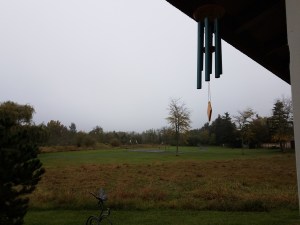
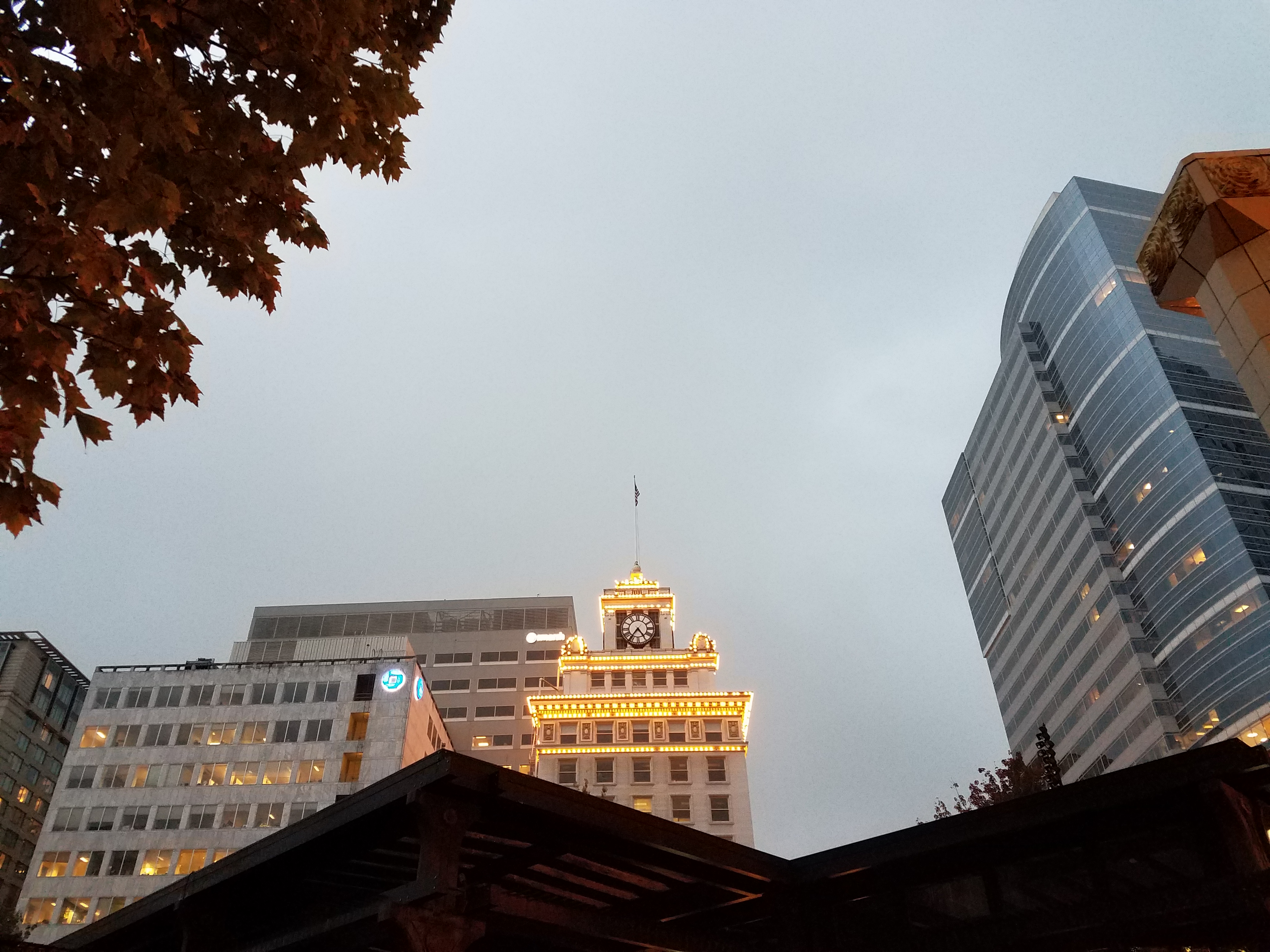
One rainy autumn morning, suitable for reflection - and taking care of me.

One rainy autumn morning, suitable for reflection – and taking care of me.

It’s a quiet weekend. I have time for thinking, time for writing, time for a third cup of coffee. The calendar reminds me I’ve set the day aside for taking care of hearth and home, a day of housework and tidying up planned. It doesn’t feel like a burden or obligation; the rainy day beyond my window suggests it will be a pleasant day of music, dancing through chores, and a crackling fire in the fireplace, spent taking care of me. How delightful! We choose our adventure. We choose our narrative. We choose how we face our day, and our circumstances. Today I choose great self-care, and a day spent creating the order that feels so good to me. I wonder for a moment if my vulnerability to being baited so easily last night is in any part a byproduct of perceived disorder in my environment…? I walk on from that, too. It is a day for verbs, for actions, for choices.

Today is a good day to create order from chaos. Today is a good day for deciding what to keep, what to let go. Today is a good day to tidy up loose ends, and reconsider what matters most. Each new day I can begin again. Each new day is a new opportunity to walk on from suffering, and to practice being the woman I most want to be. There are verbs involved. My results still vary. That’s okay; it’s enough.

I sip my coffee quietly, considering the day ahead. I think for a brief moment that I have no plans, but realize it isn’t so. I dither, wondering if accepting an invitation to hike this morning would have been a better choice, instead of being here. Right now, here doesn’t feel very good…and I’ve no idea why. Humans being human. It happens.

Words are powerful tools for love. They are not always used that way. I try to use mine gently, wisely, well – with consideration. I try to use them a little more skillfully, and with greater care every day. I hold on to the hope that in doing so, I improve my own experience of myself, of the world I live in, and my relationships. It isn’t always a notably successful effort – still human – and I’m not certain sometimes that anyone else notices or cares much – they are still human, too. Each having our own experience.

Something has gone wrong with the morning. I don’t know what, and I examine my expectations, first; have I somehow crafted this experience with assumptions and expectations? I do a ‘self inventory’ with considerable tenderness, looking for where I may be struggling with something else in the background, or a missed self-care detail more important than I recognized. I feel myself earnestly wanting to connect with my traveling partner pleasantly, merrily, intimately; there is so much potential for joy in who we are together. Somehow, now is not the time. My gentlest approach this morning is met with a frown. I escape to my studio, hoping his morning gets better over his coffee. I contemplate going back to bed, which feels like a childish over-reaction to something that isn’t about me. I work on letting it go, and staying in the headspace I woke in; calm, rested, curious what the day holds, eager to enjoy the companionship of my partner, when he finds himself ready, too.

Expectations and assumptions are the Boss bad guys of relationships, aren’t they? I can’t know what someone is assuming (about me, about us, about the circumstances) but it quickly becomes clear that assumptions are being made when conversation lacks understanding. I sometimes find myself holding onto expectations, unstated, that later detonate and turn my pleasant moment into an emotional blast zone, when my unnoticed expectations are not met by real life.

Last night I expected to arrive home to my partner’s smile and a hug and some time hanging out; he’d already called it a night. I felt disappointed, but understanding – it’s not personal, or tragic, when someone takes care of themselves. I woke this morning looking forward to enjoying his company, talking about my evening, hanging out over morning coffee. He wasn’t yet up, and that didn’t bother me at all. Hell, it’s not personal that the morning is difficult now – we’re neither of us actually ‘morning people’. I find myself feeling rather lonely in this particular moment – also not personal, and definitely more ‘weather’ than ‘climate’. Difficult in the moment. Moments pass. This one, in fact, passes as soon as my traveling partner steps into the studio, shares a few words about his evening, and asks about mine.

Take the time to enjoy the moment.

Take the time to enjoy the moment. Be kind. Be gentle.

Today will likely be quite a nice day, most especially if I am willing to set aside expectations, refrain from making assumptions, and refuse to take things personally. Today is a good day to use some verbs.

I am sipping my coffee and considering the excellent work week that has ended, and the long weekend ahead. I am feeling eager and inspired, loved, and valued. It’s easy to bask in these lovely feelings and find myself soaking in what eventually could become an expectation that I feel this way, enjoy work weeks such as this one, evenings like those I’ve shared with my traveling partner this week, sleep of good quality, and the resources to continue it all quite indefinitely…only…life isn’t a painting and doesn’t stand still; what I enjoy in this moment may not be near at hand in the next. Allowing expectations to develop over time that are based on experience, but not confirmed explicitly, result in painful moments of disappointment, almost as if scheduled deliberately. When I allow myself to be open to enjoying what is, without projecting that it will always be so into future days, I’m largely free of those painful moments experienced when life finds it necessary to correct my departure from reality.

Assumptions are similar; if I make assumptions about what’s going on in someone else’s mind, or experience, I exist in a fictional narrative. When others make assumptions about me, incorrectly, I feel disregarded, invisible, unheard, or misunderstood. If both conditions occur together, life feels as if I am only visiting, unwelcome in my existence, and of little value. Plus – if I’m making all manner of untested assumptions moment to moment, I’m wrong a lot. A lot. How can I be so sure? Pretty simply, because I see it in my own relationships; people who make assumptions about me (what I think, what I like, how I feel, what I know, what I value, what I want…) are wrong a lot. It’s not always easy to avoid making assumptions; making assumptions is a cognitive tool improving our speed to decision-making. Certainly there are circumstances when deciding whether to run away, or taste that strange food, requires me to make some assumptions for safety’s sake. It easily gets to be a habit.

Making assumptions isn’t easily avoidable, which makes testing our assumptions entirely necessary before we rely on them for longer term understanding of our experience. Assumptions, like lies, don’t have their foundation in what is demonstrably real, or provable – and are no more likely to be innocent of purpose than a lie! The intent of the assumption matters; it says something about the person making it. Most assumptions are not of ill intent, they function for efficiency’s sake, and while that seems harmless enough, there are so many circumstances when asking the simple question would provide better data. Other assumptions are the hallmark of a consciousness that is not invested in knowing, understanding, or building – preferring to just move quickly through circumstances ‘successfully’ to reach a goal with minimal investment in connecting with any other consciousness involved. Assumptions – particularly assumptions about the state of someones mind, or content of their emotions or thoughts – are shortcuts for speed and efficiency, resulting in a significant loss of intimacy. Assumptions are no more real than day dreams, doubts, or fears, and not to be trusted.

In conversation, refusing to make commonplace assumptions can quickly derail dialogue (or meetings) in the most hilarious way; people are very used to making assumptions, and are often quite unprepared for any one member of a group to abruptly stop doing so, asking instead for confirmation of simple things typically assumed (and often incorrectly so, but generally unnoticed). I enthusiastically endorse exploring the amusing delights of refraining from making ordinary assumptions now and then, but must state clearly that the consequences of choosing to do so are also your own to explore; your results may vary. (Remember to keep Wheaton’s Law in play!) 🙂

It’s easy to demonstrate the value of not making assumptions by considering the puzzle of buying a gift for someone else. If I buy a gift based on what I know of my own taste, I am not likely to buy a gift that suits that other person well. If I buy a gift based on common assumptions about taste and current trends in the marketplace, I may have improved on whether I am able to buy a gift that suits that other person – but it’s not a certainty, though it often feels as though it is a better choice. When I buy someone a gift, with what I really know of them in mind, I am by far more likely to select a gift that truly suits them…only…what do I really know about that other person? Is it enough? It becomes tempting to begin to build additional assumptions about them, crafted from what I know, to create a sense of deeper knowledge… it isn’t at all real, or reliable. Then what? Settle for accepting that gifts are often received graciously, however unsatisfying the gifts themselves may be? I don’t really find that comfortable, either, personally. I would rather invest in the delight of the recipient, and put aside my assumptions and ask questions, build intimacy, gain deeper knowledge – both of that other person, and through emotional intimacy and connection, deeper knowledge of who I am, myself. Emotional intimacy is powerful, and nourishing. Sustainable lasting love has its roots in emotional intimacy.

Interacting with those dear to us on the basis of assumptions may actually be the direct opposite of emotional intimacy. This is a new thought for me, in these simple terms. I plan to spend some time considering it further.

My traveling partner was the first to point out to me that expectations are a relationship killer, and I have seen the truth of it. I throw assumptions onto that same bonfire; few things fuel the failure of intimacy with such efficiency. This particularly excellent week of living and working has been peculiar in how few expectations I have had – or held on to – and how few assumptions I have relied upon. It’s been telling, as well as exceptionally connected and satisfying in terms of my interactions with others. Refraining from holding onto implicit expectations, and refusing to make assumptions about others, look like valuable practices, from this perspective.

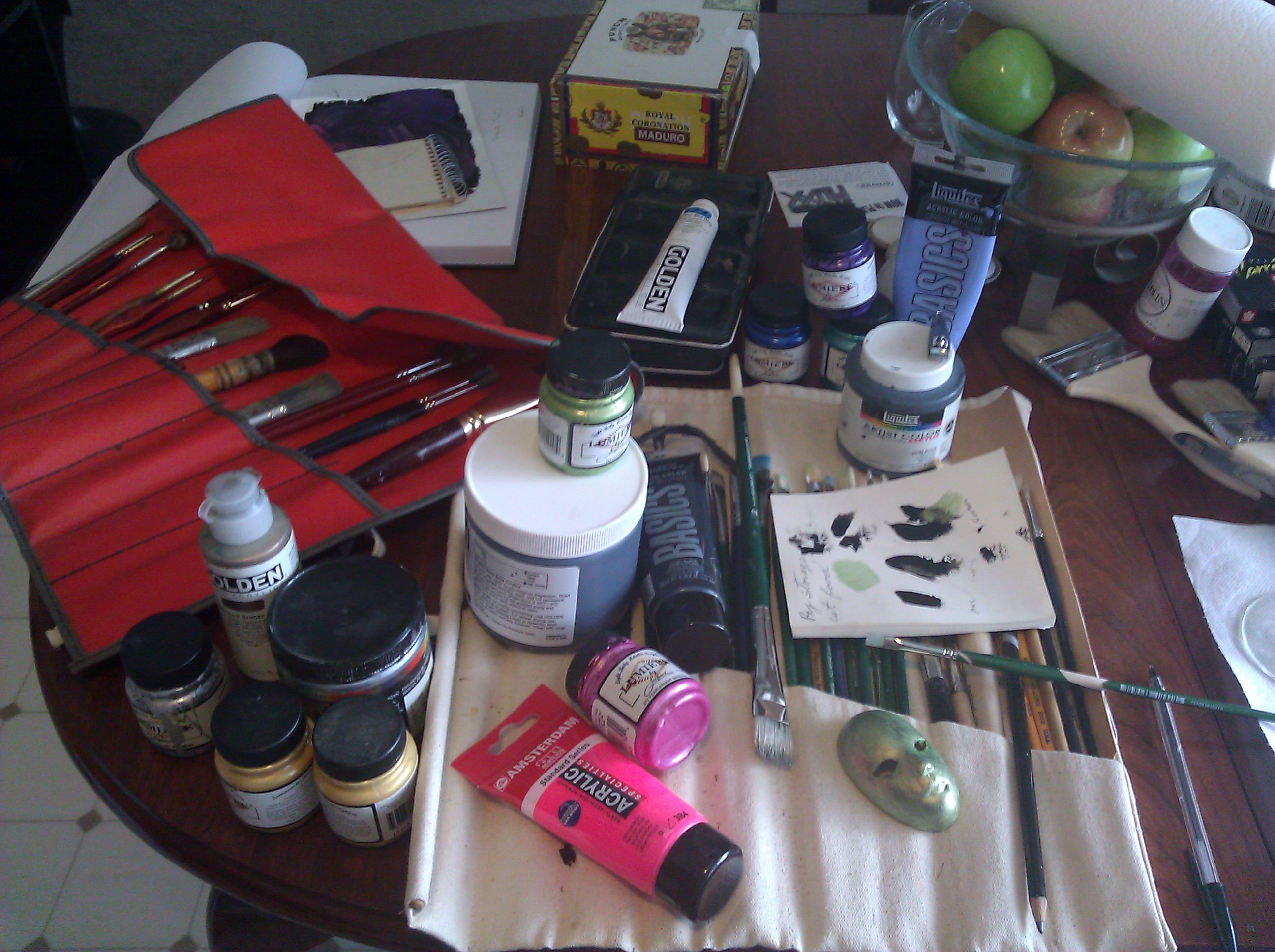
An artist at work? A student of life. I am having my own experience. (Your results may vary)

An artist at work? A student of life. I am having my own experience. (Your results may vary)

I’ve a long weekend ahead, and even without expectations about what it holds, it looks very promising creatively and emotionally. Where will the journey take me? I won’t assume I know. 🙂

I’ve gotten some decent sleep this weekend, even ‘slept in’ two days in row. This morning I slept until nearly 9:00 am. I woke abruptly, some noise most likely, but truly I was well-rested and returning to sleep was neither likely, nor would it be a healthy choice; the day had begun. I woke in considerable physical pain, and moments into the morning it was clear that I was not yet sufficiently able to maintain emotional balance to be casually interacting with people – I was genuinely hurt by the initial interaction with one member of the household, this morning, and it was not worth all that; it was a just moment of insensitivity and callousness common to people before they are completely awake, first thing in the morning, and I myself was also just waking up and prone to taking things excessively personally. It wasn’t personal, but I was – and perhaps still am – unprepared to deal with it appropriately, although I think I did okay with it. Pain management is a very big deal for good emotional resilience; if my pain is not well-managed I tend to take things more personally, and also struggle with being very emotionally needy. I chose a wiser path, and took my coffee with me into a quieter space, to take time for meditation, then catch up on email…and now, here I am.

Choose your experience; we're live and unscripted.

Choose your experience; we’re live and unscripted.

Good sleep. Appropriate pain management. Taking medication on time. Taking time to meditate. Recognizing and distinguishing between internal and external stressors. Calories. Exercise. There are a lot of pieces to the self-care puzzle, and they all matter. The challenge is practicing good self-care even when I am in a crappy mood, in pain, feeling ill, or distressed with PTSD symptoms. Today shouldn’t be that difficult…the major challenge today is ‘merely’ physical pain. I hurt, but I hurt pretty much all winter long, every year, and have for many years. I’m not bitching; other people hurt more often, and hurt worse than I do. I have a lot to be grateful for, and I don’t take those things for granted these days; they really matter, and taking care to appreciate the good things, and be grateful for what I have, and what works, and what feels good is a practice that is tending to ‘adjust’ my implicit memory, and my ‘default settings’ regarding how I experience my life in a more positive direction. I’ve made a lot of progress down this path – I both enjoy a better experience, generally, than I used to most days – and I can tell that my experience is improved, too.  (It’s not much help when things get objectively better, but do so in the absence of being able to recognize that improvement!)

It’s an interesting puzzle that what I want in life, the things I yearn for most fervently, can so easily sap me of my emotional resilience and self-sufficiency, and undermine a good experience I have by drawing my attention away from what is good right now, and putting the focus on some moment of discontent – that in some cases actually only exists in my thinking, without any anchor in some element of my experience in life.

Discontent joins the emotions on the short list of ’emotions I just don’t enjoy or find value in’…worry, guilt, jealousy, disappointment, and discontent amount to a lot of dark days for a lot of human primates. I don’t put anger or fear on that list – they both serve obvious purposes ‘used in moderation’; they are legitimate warning klaxons to improve my chances of survival. Moving away from what frightens me may mean my surviving some dangerous moment in the world. Being moved to anger tends to keep my awareness aligned to my values, but for now I can’t do much more to describe anger’s potentially helpful qualities; it’s an area of weakness for me, and I struggle with it to this day. The thing about those other emotions? They are all pinned to expectations and expectations are so often the ruin of a good time. I love to plan, and I like the comfort and security of having done so…but becoming attached to an expectation is a different thing. Clear and explicit expectation-setting has its place in day-to-day life, absolutely true. It’s the implicit, unverified, un-validated, unconfirmed, “I thought we…” sorts of expectations that fuck us all up. It occurred to me this morning, sipping coffee that is unexpectedly ‘bitter’…if I could entirely let go of implicit expectations, I would likely also be letting go of worry, guilt, jealousy, disappointment, discontent…and possibly other subtle negative emotions that can potentially mess with another otherwise great day. It’s a practical thing, and probably worth the effort involved. I won’t miss even a moment of discontent, worry, guilt, disappointment, or jealousy if I never feel those emotions ever again.

Today? Yes, I’m contemplating expectations and discontent, because I woke first with one, and then trending toward developing the other. I happened to take notice of the trajectory of my emotions, and put myself on pause to give it some thought. Had I allowed the moment to overwhelm me, and gotten caught up in ruminating about the drivers of my discontent, and begun wallowing in my disappointment that ‘my expectations’ failed me, I’d be in a very different place right now. I think the constant practicing of better practices proved itself this morning; I found perspective over my unexpectedly bitter coffee, and a tiny bit of unexpectedly positive news.

Today is unscripted. Ideally, I hold no expectations that I haven’t set explicitly, and even then I understand that change is. Today is a good day to live life engaged in the moment, present in my interactions, and open to the possibilities I hadn’t considered exploring. Today is a good day to change my experience of the world.