Archives for posts with tag: ptsd

Are you hearing that as ‘what would you do to get love?’, because that isn’t what I have in mind this morning. I’m asking a different question all together. I’m asking ‘what would you do to support, nurture, and invest in love’? They’re very different questions.

I already know, with fair certainty through day-to-day observation of human primates in their suburban habitat, that human beings will do almost anything to have love, or to say they have love. The mystery for me, and thus the question, is how peculiarly few people seem to make the connection between being loved, loving – and all the many verbs involved in nurturing love, supporting love, building a foundation on which love can stand, cultivating an emotional environment in which love can thrive, and just generally actually demonstrating loving behaviors. Love isn’t a noun that one can rob from existence on a whim, branding one being or another as property. Love can’t be taken. Love can’t be demanded. Well, I suppose one could make the demand, but I seriously doubt love comes running when called, based on such a demand.

A lot of people say they want love. Some of those same people seem to expect that saying so is preparation enough to be able to love well and skillfully, or to be ready to be loved – and thus be ready for all that reciprocal enduring affection demands. It doesn’t appear to work that way at all.

What are you willing to do, about you, in order to find/have/get/make/acquire/experience love? There are verbs involved. There are no guarantees, and no returns. Your results may vary. It may be necessary to begin again, and to practice new practices. It may be necessary to choose change. No kidding, you may not be ready for love and loving because of who you choose to be right now. No one else can do anything much about that, besides the person in the mirror. It was a slow journey coming to terms with some of that, for me. Yes, I am still talking about wholesome, safe, connected, nurturing ‘unconditional’ love. That it is ‘unconditional’ doesn’t mean that it will survive someone just insisting on continuing to be a spoiled brat, or a jerk, or distant, or disrespectful, or cruel, or any number of potentially entirely self-selected character flaws that love might enjoy us working on some little bit along life’s journey. “Fuck your needs, love me anyway!” is not what unconditional love is about, as I understand it myself. It’s more… “Oh, hey, fuck – I’m sorry I’m still working on that, so human; thank you for loving me, and appreciating my best qualities while I work out the details on my bullshit over here.” (And it’s probably a value add if everyone involved is similarly committed to, and invested in, working out their own shit, and walking their own path… seems likely, at least.)

I’m no expert – not on life, or on love. I see a path ahead of me, and I enjoy the part of the journey I get to walk hand-in-hand with love. It’s taken a while to recognize how much more of myself goes into that than I understood as a starry-eyed young woman, all hormones and blood-boiling libido. There are a lot of verbs involved, a lot of listening, some good self-care and boundary setting/respecting. My results vary; it’s a very human journey.

It is always a good moment to listen, to begin again.

It is always a good moment to listen, to begin again.

Today is a good day to love.
…In the simplest terms, is…

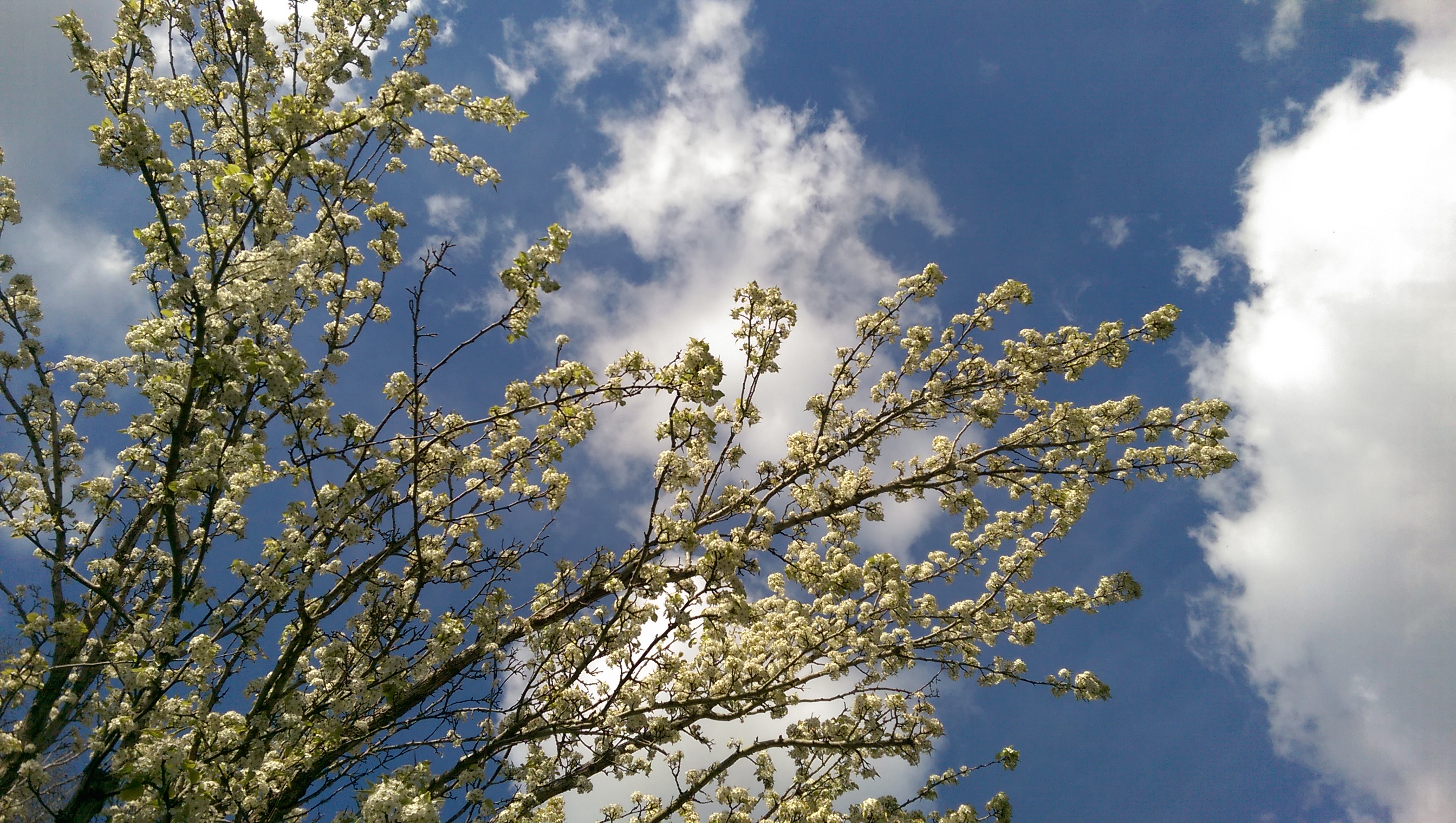
It isn't always blue skies overhead, but we can choose to look up, at least.

It isn’t always blue skies overhead, but we can choose to look up, at least.

And…

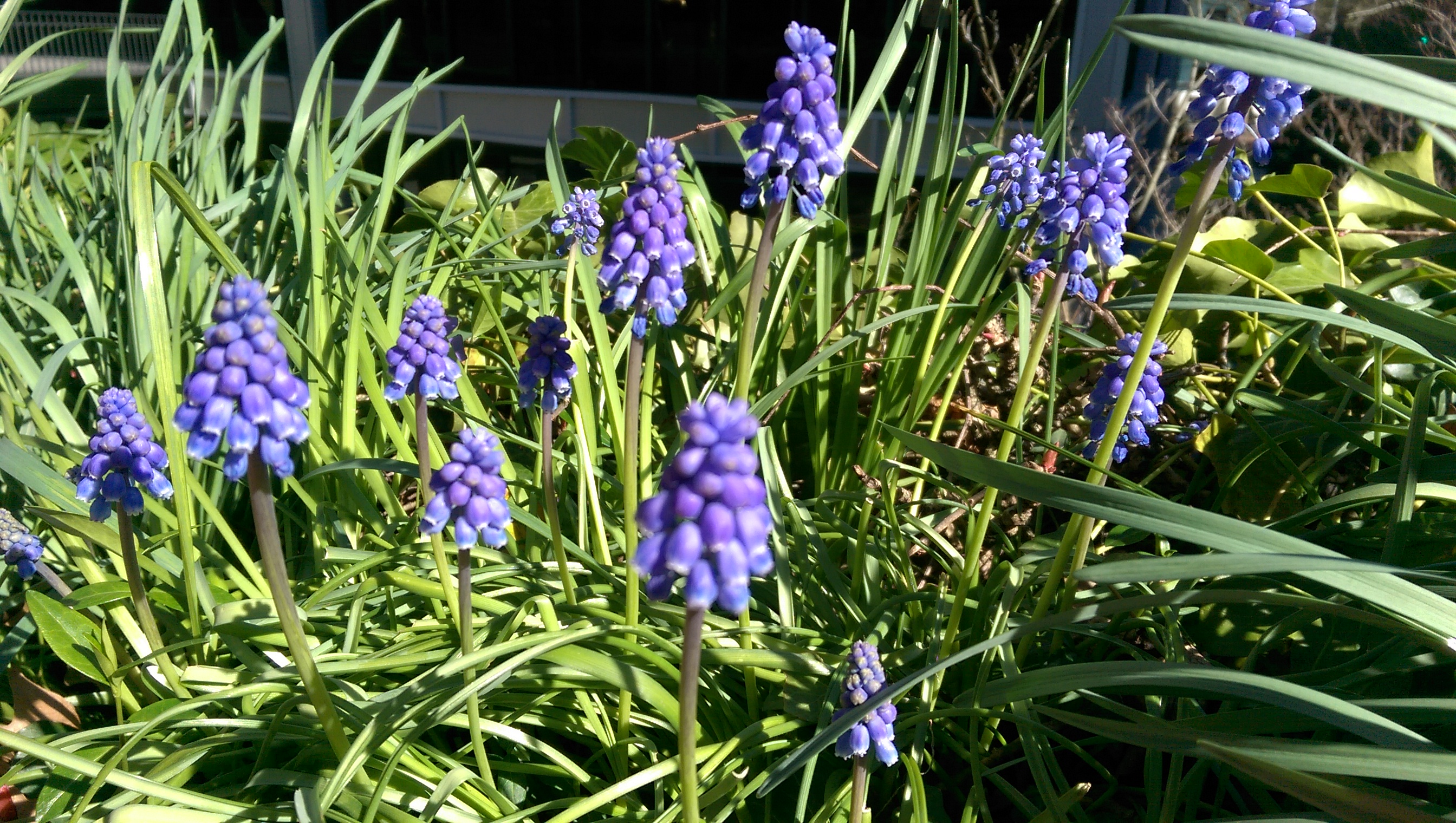
Although life is often no bed of spring flowers, we can plant the seeds, and nurture growth, any time.

Although life is often no bed of spring flowers, we can plant the seeds, and nurture growth, over time.

Don’t we serve ourselves – and our loves, our community, and our world – when we take care of ourselves well, with an eye for our longer term needs, and what matters most, doing no harm, and living mindfully? No, it isn’t without effort. My results vary. There are tons of verbs involved. Growth seems slow. Change is incremental. I often find myself beginning again. Isn’t all that worth it, to find lasting contentment?

I have to keep turning off the news lately. The election year propaganda machine is running at max capacity to generate stress, hysteria, fear, and anger, feeding us divisiveness and outrage in servings so large it actually seems to be tearing the culture apart. Maybe we’ll build something better from the wreckage? Maybe the wreckage will be what’s left when we’re finished?

I have some simple practices I get by on pretty comfortably for dealing with the media feeding frenzy:

  • Avoid speaking in slogans and sound-bites, and use my own words to share my own thoughts, with care and consideration.
  • Test assumptions, and understand that I am human, and untested assumptions are generally just made up shit in my head.
  • Don’t be mean. (Seriously, at all, it’s just not useful or necessary.)
  • Don’t argue; I’m not likely to change someone’s mind, and arguing sucks. A calm reasonable statement is sufficient to communicate.
  • Be open, and really listen; many people have built their opinion over a lifetime of consideration, and have their reasons. We don’t all think alike, or have the same life experiences.
  • Turn off the news. (Be a selective media consumer.)

It’s not fancy stuff, but I’m getting by on it pretty well. I can’t take credit for any of it; as with most practices, suggestions, recommendations, or rules guiding behavior, someone else came up with it first and it eventually reached my thinking by way of printed or spoken word, observation, or coincidence. Knowledge is one of the most powerful things we can share… It’s tragically – and comically – difficult to tell apart from bullshit.

Welcome.

Welcome.

Bits and pieces of things on my mind. Thank you for taking the time. 🙂 I have building and destroying in my thoughts today, and not generally because of the contentious media circus revolving around the swarm of presidential candidates, although it is painful watching an entire nation squirm with the slow recognition that as a country we maybe aren’t who we say or think we are… and that we are divided. No, it’s not ‘about’ that – it is about love, and life, and work, and the future. Building makes more sense, generally. Even the process of growth and change isn’t about destruction – when I undertake practices that change and develop the woman in the mirror, I’m not seeking to destroy the woman who already exists; I am seeking to become her more fully, more authentically, and leveraging the full measure of her potential to do so efficiently and beautifully. If I face that as a process of destruction, how can I be surprised to discover later that I am wounded, damaged, limping through life feeling beaten down?

Love, too, benefits greatly from building, from the constructive practices that build intimacy to quiet evenings with my love building furniture together (a powerful living metaphor for cooperation, intimacy, and good communication). As I worked step-by-step through the instructions provided, feeling soothed by the process of building something beautiful and functional after a fairly crappy day in corporate purgatory characterized by feeling dehumanized, implicitly criticized, and under-valued, I was also sharing productive collaborative time with my traveling partner. He doesn’t deliver a stream of criticism, or expect me to be superhuman; he is aware of my challenges. A gentle observation as I begin to assemble a drawer incorrectly spares me a lot of frustration later, and I don’t have to deal with taking it completely apart because it is just wrong. Later, I get to a point where the required task is one I know is a weak area for me; I ask for his help. We share the project with open hearts, listening to each other, and demonstrating skilled use of The Big 5 (respect, consideration, reciprocity, compassion, and openness). We have a great time with it. The finished nightstand is well-made, and represents a lovely experience we enjoyed together.

I sometimes find the choice to ‘walk on’ from stress a challenging one. I could so easily have spent the evening complaining and venting about work… but… I already know I am not where I want to be professionally – so does my partner. I had already said, simply enough, that the work day was aggravating and unpleasant. We both know I am looking for something else that suits me better, and is a better fit for where I am in life. What else is there to say that doesn’t keep me tethered to the work day that is now behind me? I don’t get paid for those hours – why would I spend them emotionally still at work? There are, however, verbs involved and choices to be made. It was nice to find that the practice of building was a good way to move on from what was troubling me, and find a firm place to stand, content and wrapped in love.

Sharing the love, and sharing the building. Destruction is far less joyful.

Sharing the love, and sharing the building. Destruction is far less joyful.

The practice of building (instead of destroying) isn’t limited to sharing the experience with someone else. I can choose to build (my experience) when I am alone, too, by enjoying any constructive practice, task, or process that wholly supports my own emotional well-being and being fully engaged in that, whether it is sketching note cards, building furniture, tidying my patio garden, mindfully attending to household chores, coloring, reading… So long as the thing I am doing supports my emotional wellness and engages my thinking on something that is not the thing stressing me out. It is a way of letting go by specifically embracing what has greater value.

Here it is morning. I’ll head to the office soon enough, and I am more well-prepared this morning for having gotten some real rest last evening, and a good night’s sleep undisturbed by stress. I’ll remind myself, as I arrive at the office, not to make assumptions, to be mindful, to communicate clearly, to take my time, to set clear expectations and boundaries – and to avoid taking things personally. It seems a lot to be reminded of, but every small commitment to living my own experience my way and taking care of me is another step on a journey in a profoundly positive direction, away from what stresses me out, and towards what builds contentment.

Today is a good day for contentment.

Questions are powerful. Asking them often seems more valuable [to me] than insisting on answers. It’s the questions that redirect my attention from one thing to another. Questions fired off one after the other without time to answer quickly find me feeling backed into a corner, or attacked and frustrated. Questions themselves are not to blame for any of that; it’s how they are used, and with what intent. If I am listening, they can also quickly alert me that I am being misunderstood. I am learning to practice deep listening even when I feel emotionally attacked, or unexpectedly cornered by someone else’s aggressively expressed agenda. (I’m not saying I find it easy, but I often find it successful for putting challenging discourse back on a civil, comfortable foundation.) The most interesting thing about practicing listening deeply is that I end up… listening. Hearing more. Understanding more. Feeling more compassionate and level-headed. Feeling empowered and safe. Once I’m in that place, it becomes a simple thing to ask a question. No animus, no aggression, no passive-aggressive tit-for-tat punishment or emotional bullshit; I am able to ask a reasonable, compassionate, interested question that may actually result in needs being met, and a greater shared understanding being reached. It’s the whole point of a question, actually.

Who's 'right'? The ducks or the waiting cat crouched in the grass?

Who’s ‘right’? The ducks or the waiting cat crouched in the grass?

Questions are powerful. My results vary, of course, because sometimes it is the very feeling of power, itself, that has fueled whatever drama of the moment exists between human beings – and some people don’t want to ‘give up their power’, and perceive any power in anyone else’s hands as a direct threat to their own. It’s a weird sort of emotional greed. I don’t know quite what else to think of it. Fearfulness at its core, probably – I’ve been so terrified of being powerless, myself, that a single question directed with insightful compassion directly at the heart of whatever was truly bothering me could cause real rage; being visible and understood wasn’t what I was after, I only wanted to feel powerful (and I was, in that moment, willing to get there at the expense of someone else’s feeling of emotional safety). I find it, now, a very unhealthy approach. Giving up needing to ‘be right’, giving up needing to feel powerful (not the same thing as feeling empowered!) and practicing authenticity, self-acceptance, and awareness are important stepping-stones to being able to listen deeply (practicing, practicing!), and ask questions with more compassion, and without attacking (also requiring practice).

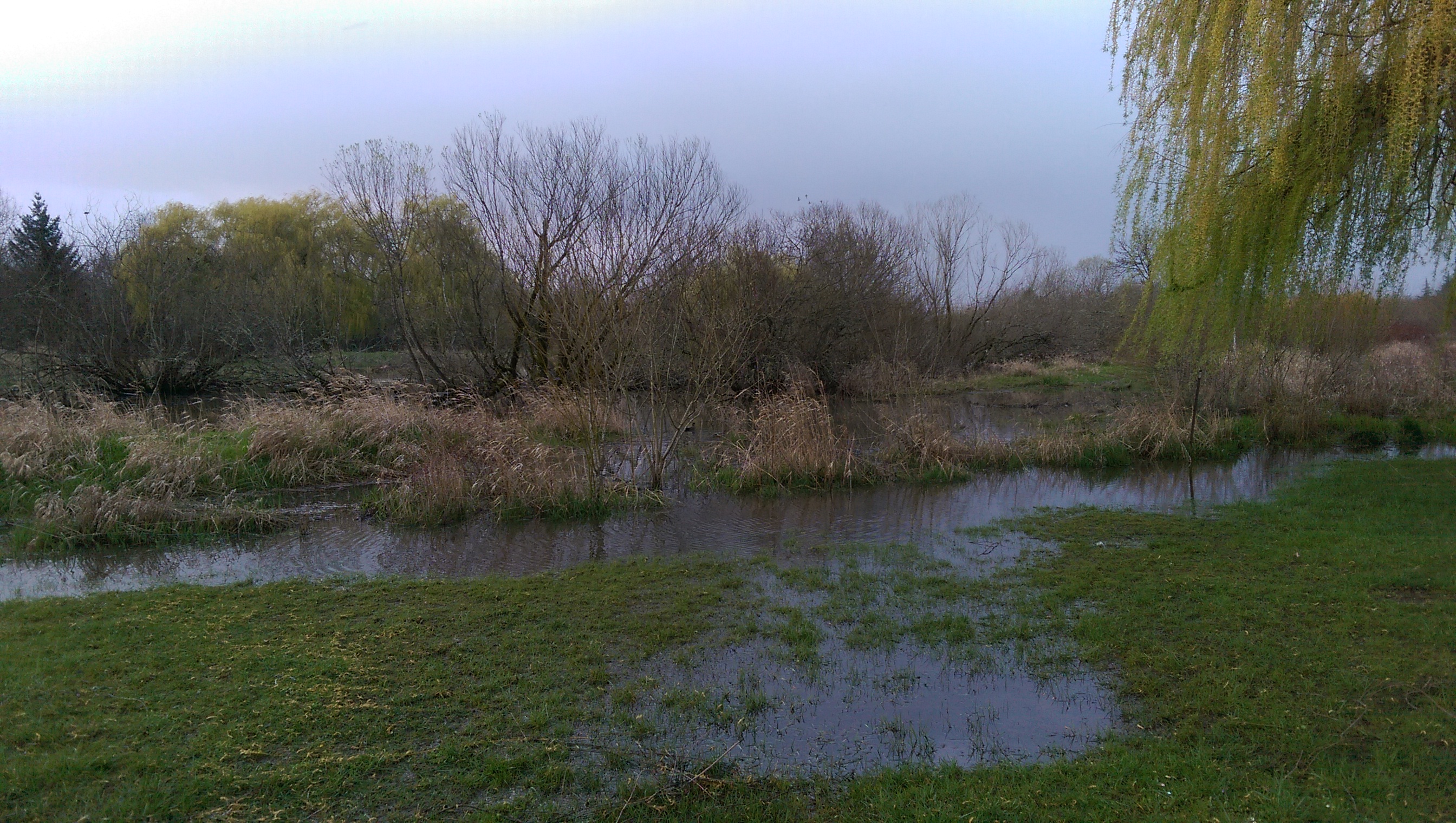
If I feel flooded, how do I find firm footing to maintain a feeling of safety?

If I feel flooded, how do I find firm footing to maintain a feeling of safety?

Based on careful observation, the vast majority of disagreements are not at all what they appear to be, and it seems rare that participants in dialogue have actually taken time to ensure they have shared definitions of terms, respected fact-based ground rules for the discussion – and a shared purpose in asking and answering their questions. Conversation is so much more pleasant and fulfilling when it is built on sincere connection and genuine receptivity to another person’s thinking. I’m not much interested in arguments, they take time away from intimacy, affection, and connecting deeply with ones fellow humans. This journey is too rich for strategic bullshit, cautious diplomacy, and game-playing! There are stories to tell, adventures to share, parables to teach with, and love notes to slip past the rigidity of our work lives – all so much more important than arguments built on strategy, mud-slinging, and bogus assumptions, all seeking to persuade rather than to learn, grow, or inform. Opening the door to something more sometimes takes little more than a question.

Are you okay?

Are you okay? How are you feeling? What do you need that I can provide?

Unfortunately, questions are also handy emotional weapons. What a shame. What a waste of precious mortal time. I am learning to face such attacks with a new tool; I listen. I’ve stopped focusing on delivering an immediate answer ‘to defend myself’; if I feel attacked, defending myself is probably pretty pointless, because there is something more going on. Instead, I remind myself that this other human being made not have been fully frank with their intent, their needs, or the purpose of their question. They may not have a similar understanding of the topic being discussed as I do, myself. I listen. I take a deep breath – or several – and listen. I am learning – and practicing – letting go of that attachment to ‘being right’ that is so often part of this very human experience, and reminding myself not to take this other human being’s experience at all personally. I listen more. I am learning – and practicing – talking less. It turns out that it is not at all painful to listen. It sucks to ‘wait to talk’, however, so learning to listen (practicing!) requires a commitment to some verbs, and considerable beginning again. (I interrupt rather chronically, partially because I have a brain injury that makes it harder not to, and partially because I need more practice not interrupting.) I find it helpful, when listening deeply, to ask a question when it is clear that a response is expected; this can help me avoid hijacking a conversation in progress with my own agenda, when the person speaking actually has more to say. 🙂

Am I understanding your words correctly? Do you mean what I think I heard?

Am I understanding your words correctly? Do you mean what I think I heard?

I’m definitely not saying that my words lack value, or that I don’t also want and need to be heard, just that it seems pretty reasonable that we all feel that way, and there does seem to be a woeful shortage of real listening going on… if no one is really listening, how will anyone at all feel truly heard, truly visible, or truly connected?

Will I find balance between listening, and questions?

Will I find balance between listening, and questions?

I have the evening to myself tonight, according to the calendar. No idea what I’ll do with it. Paint? Read? Play? Maybe take a few quiet moments and really listen to my own questions? Questions are powerful – and I value feeling heard.

It is a very quiet morning. The keyboard ‘sounds loud’. I park my mechanical keyboard and opt to use the soft quiet keys of my laptop, typing with the most delicate touch I can manage. I am alert and a bit sound and light-sensitive today, and recognize it is something to be aware of as the day wears on. I don’t often get such a good opportunity to get ahead of my issues this way. I even have a good idea what the drivers are, this morning. Hello, PTSD-as-residual-of-domestic-violence. It can be a complicated experience.

I am not surprised that I am faced with managing my symptoms; my traveling partner is spending a great deal of time here, struggling with his own challenges, needing more than usual emotional support, frustrated, hurting, and understandably angry with the use of emotional weaponry in another relationship. It’s too easy to let his anger, the emotional experience itself, resonate with me; he does not ‘deserve’ this, I often find myself thinking. While that’s true (I mean, who does?), it’s counter-productive to providing emotional support. I practice listening deeply. I practice compassion. I work on finding a comfortable balance between soothing the hurts, and providing requested input without making it about me – this is sometimes complicated by my reliance on metaphor and comparison to similar experiences I’ve had to gain understanding or clarity. I keep practicing. I definitely need the practice. This isn’t mine to ‘fix’.

I began re-reading The Four Agreements. “Be Impeccable With Your Word” is most specifically the agreement I am reading, although… it’s the first one, and I’ll read the entire book. I am re-reading it for a refresher and deeper understanding of the first agreement, “Be Impeccable With Your Word”. I think of other experiences in life, other relationships, and of finding myself on the receiving end of some angry accusatory tirade in which some practice or way of thinking, recommended in the self-help aisle has been launched against me as a weapon. I remember also a tense, peculiarly cathartic sight of  young, angry, 20 -something, literally throwing a self-help book at the face of a partner in a public argument – a public moment of a human being lashing out directly at another human being physically – screaming “it’s a self help book, you asshole!” I had almost burst out laughing with understanding. We can only ever work on ourselves, really.

Being impeccable with my word, The Four Agreements makes clear, is not about ‘telling the truth’ precisely, or about ‘keeping promises’ either, well… not only those things. It’s vastly more complicated, subtle, and nuanced. It is a favorite practice of mine, and my own understanding of it is as a fundamental statement of mental and emotional purity, as in ‘don’t fuck with people’s reality, and especially don’t do that on purpose’. Lying counts, so does misleading someone with great care through choice of language or use of misdirection. Explicit expectation setting on which there is not intent to follow through is also a failure to be impeccable with one’s word. Then there is name calling, beratement, judgement – yes, even that; the things we say to people can cause them great pain. We all know it. Sowing discontent is another way to undermine the impeccability of our word. Mean jokes, too. Even just being irritable and cruel. Yeah…basically, the idea is that language is a powerful shared tool for human primates akin to actual magic. Being impeccable with my word is a practice intended to keep me on the path of treating myself and others well. (I may not say out loud the words I use to/about myself, but those count too.)

I breathe through my increasing irritation about how my traveling partner is treated in another relationship; I can’t fix it, and it’s not mine to fix. It’s hard to be on the sidelines watching someone use their words as weapons against someone so dear to me such that he is further hurt, further tested. I contemplate my own similar experiences, the choices required to take care of myself. I know there are verbs involved, and that it is a journey with many choices. It’s hard to watch, though. I find myself puzzled why more people don’t recognize that they are crafting their own hell-on-earth with the way they mistreat people they say they love – hell, the way they treat people generally. Sounds a little judgmental when I see the words hit the page. I return my thoughts to my own experience, my own actions – things I can affect directly through my choices. I am human. I can do better, myself. I observe in moment of cynicism, that this is one of the great challenges in a human life; I acknowledge I can grow, change and do better – a lot of people do – and then there are others, seeing that acknowledgement and replying through their own choices and actions ‘you go right ahead working on you, thanks, you owe me that and I’m not changing shit myself, so… yeah’.  It’s a thing. It’s frustrating – and more. Still… this is my own journey, my own path, and although there is immense power in the words used aggressively or wickedly by others, I don’t have to drink the poison. I can choose differently.

I hear the wail of the morning train not so far away. My cup is empty of even the last cold swallow of coffee. I feel the chill of the room sitting in a soft cotton camisole and wondering where I left the sweater I chose to wear to work. I feel a moment of gratitude that my traveling partner has such a good heart. It is a lovely quiet moment, this one, filled with opportunities to embrace the best qualities of my experience, and build my day on that foundation.

Today is a good day to walk my own path, and use my words with care, kindness, compassion, and awareness. Today is a good day to listen more than I talk.

Today is a good day to walk my own path, and use my words with care, and compassion. Today is a good day to listen more than I talk.